
Art and Design

Intent Statement
At Wardle Academy students are equipped with the knowledge and skills to experiment, invent and create their own works of art. They are progressively able to think and talk critically with an appreciation for the wider world of Art and Design, taking inspiration to inform their own meaningful responses.
Curriculum Overview
Art KS3 – Year 7, 8 & 9
In Years 7, 8 and 9, students will rotate through a carousel of Art and Technology specialisms, completing two hours each week during their rotation.
Year 7 – ‘I discover’
Sculpture – Alberto Giacometti
Students will complete one project, ‘Human Figure’, as an introduction to the key knowledge and skills needed for further study in Art and Design. Through the work of Alberto Giacometti, students will explore the role of an artist, craftsperson and designer. Giacometti was a Swiss artist and sculptor who became one of the most influential sculptors of the 20th century. His work was influenced by artistic movements including Cubism and Surrealism, and he explored the qualities of different materials and textures.
Students will make purposeful investigations into Giacometti’s work and develop their understanding of the formal elements of art, including line, shape, space, form, tone, texture and composition. They will record observations from his work, communicate their ideas and experiment with a range of techniques and processes relevant to their intentions. Students will then develop their creative thinking and problem-solving skills by designing and making a Giacometti-inspired sculpture based on a sports movement or pose of their choice.
Year 8 – ‘I explore’
Colour – Friedensreich Hundertwasser & Andy Warhol
Students will complete two Year 8 projects focused on the application of colour, developing their understanding of colour as a key formal element in Art and Design. Through Friedensreich Hundertwasser and Andy Warhol, students explore how colour can transform architecture, packaging and everyday imagery into bold, playful and imaginative designs.
Architecture – Hundertwasser
In the first project, students explore Friedensreich Hundertwasser’s colourful and expressive approach to architecture. They investigate the colour wheel, colour theory and colour mixing, developing their ability to apply colour using pencil crayons. Students explore Hundertwasser’s use of organic lines, pattern, shape and vibrant colour before applying these ideas to redesign the academy. They create an original architectural design, using colour and pattern to develop a playful and imaginative outcome inspired by Hundertwasser.
Pop Art – Andy Warhol
In the second project, students explore Andy Warhol’s Pop Art, focusing on packaging, scale, repetition and colour. They select and enlarge a close-up section of packaging before developing their drawing through watercolour layering and application. Students experiment with colourways and complementary colours, applying their understanding of colour theory.
Building on these skills, students engrave their enlarged design into polystyrene foam to create a polyblock. They produce multiple prints using different coloured papers and inks, then cut and arrange their prints into original Warhol-inspired compositions, applying their chosen colourways to create bold and cohesive outcomes.
Year 9 – ‘I focus’
The Year 9 curriculum develops the knowledge and skills needed to think and work like artists, encouraging creative, independent and purposeful practice. Students complete two projects based on the themes ‘Culture’ and ‘Portraiture’. They analyse starting points, experiment through trial and error, and develop and refine ideas while recognising their strengths and areas for development. Students are encouraged to express their individuality through personal responses and explore how art can communicate experiences, reflect cultural identity and influence society.
Printmaking – Esther Mahlangu
In the first project, students explore Esther Mahlangu’s bold geometric designs and Ndebele cultural heritage. They investigate how pattern, colour and symbolism communicate cultural identity. Building on their Year 8 polyblock printing skills, students learn to create one-off prints, such as an oil pastel transfer, before designing and engraving their own Esther Mahlangu-inspired lino block. They use the block to create a repeat print on warm and cool backgrounds, applying their knowledge of pattern, colour and printmaking to develop an original response.
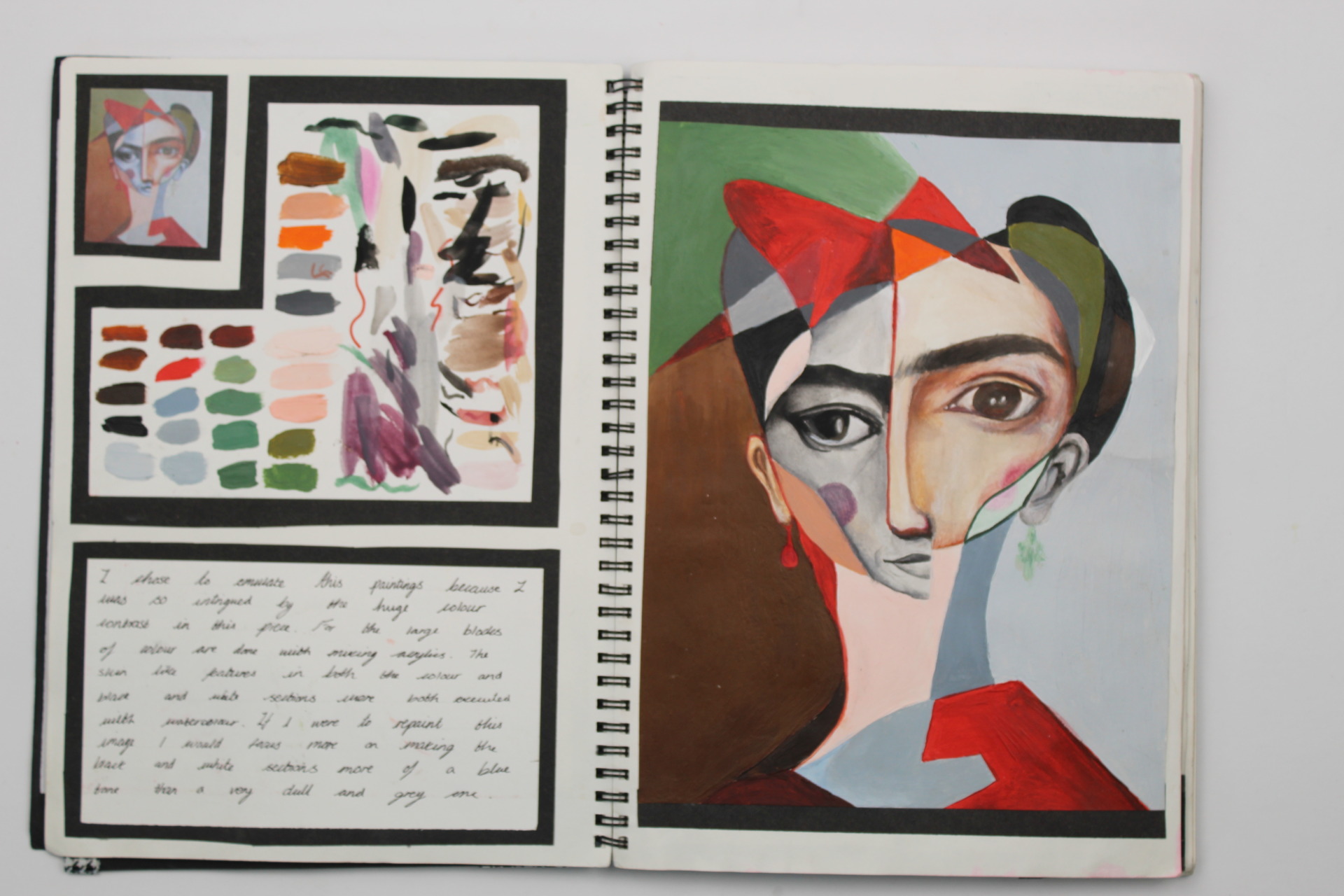
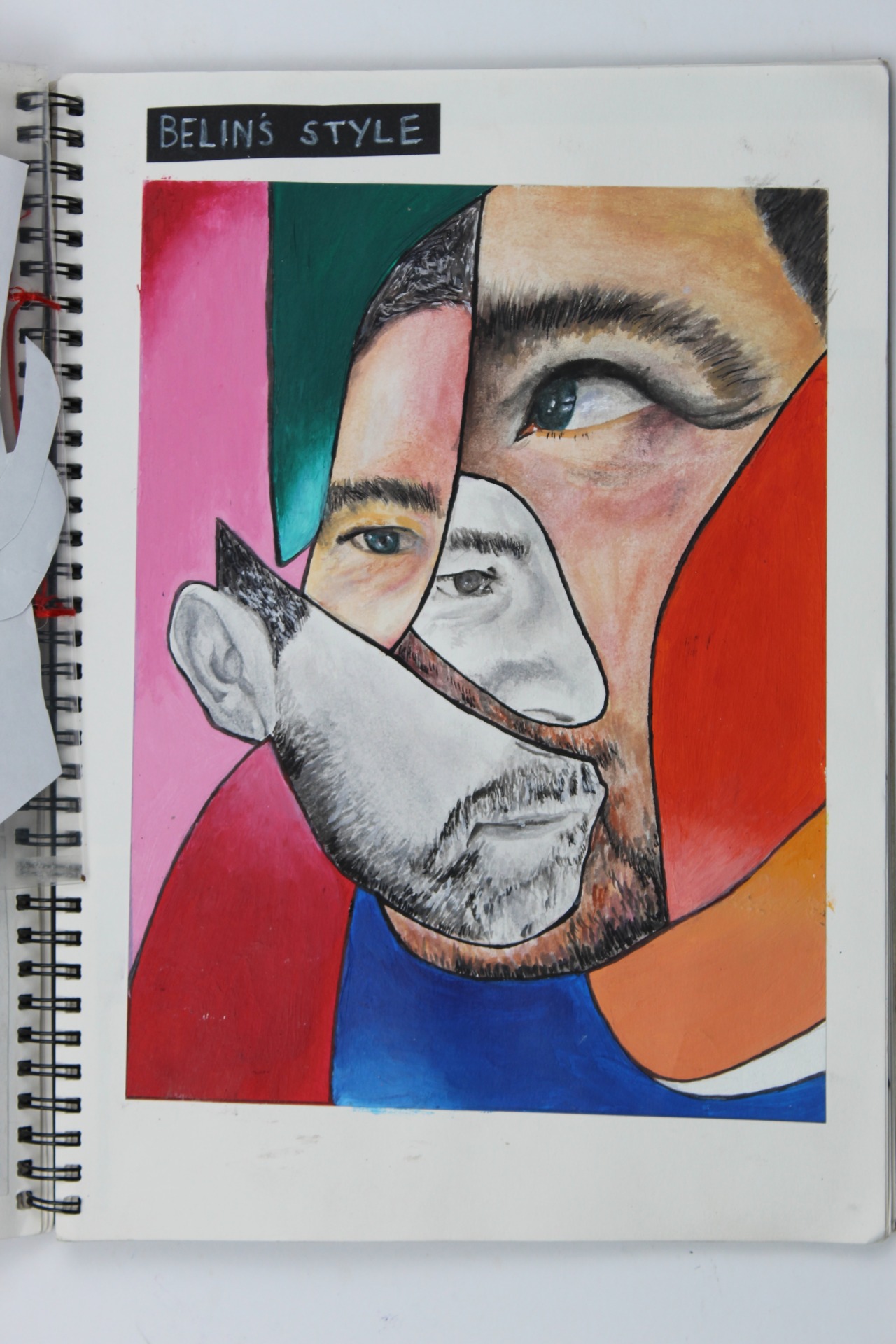
Drawing – Cubism (Pablo Picasso and contemporary artists such as Brno Del Zou and Miguel Belin, who are inspired by Cubism)
In the second project, students explore Cubism and abstract portraiture, investigating how artists such as Pablo Picasso, Brno Del Zou and Miguel Belin fragment imagery and combine different viewpoints to create contemporary portraits. Students begin by developing their drawing and realism skills, creating a pencil portrait of a celebrity of their choice while focusing on line, tone and mark-making.
Students then explore fragmentation and composition through the work of Brno Del Zou, creating a series of collage compositions by cutting, rearranging and combining their portrait imagery. They develop these ideas further by considering the different approaches of contemporary artists, including Del Zou’s photographic installations and Belin’s graffiti-inspired portraiture.
Students then develop and refine their experiments, combining drawing, collage, fragmentation and contemporary portraiture to create a unique and original final outcome. They make purposeful decisions about composition, scale, line, tone and mark-making, bringing together ideas from their research and experimentation to communicate their own creative intentions.
Textiles KS3 – Year 7, 8 & 9
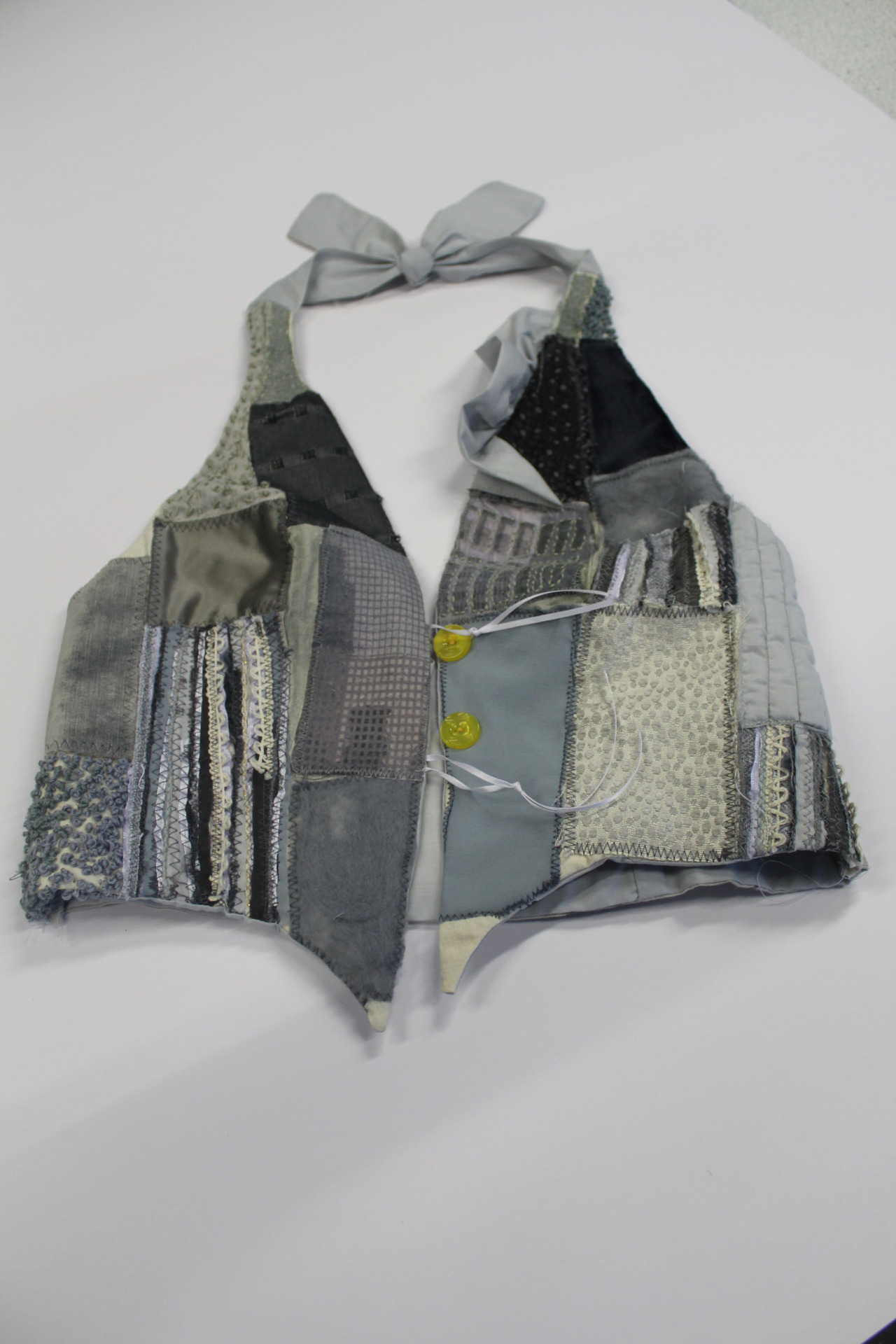
At Wardle Academy, we offer three titles within the AQA GCSE Art and Design qualification: Fine Art, Photography and Textile Design. Students have six lessons over a two-week period, with additional support and opportunities for further work outside lesson time, organised by their teacher.
Year 7
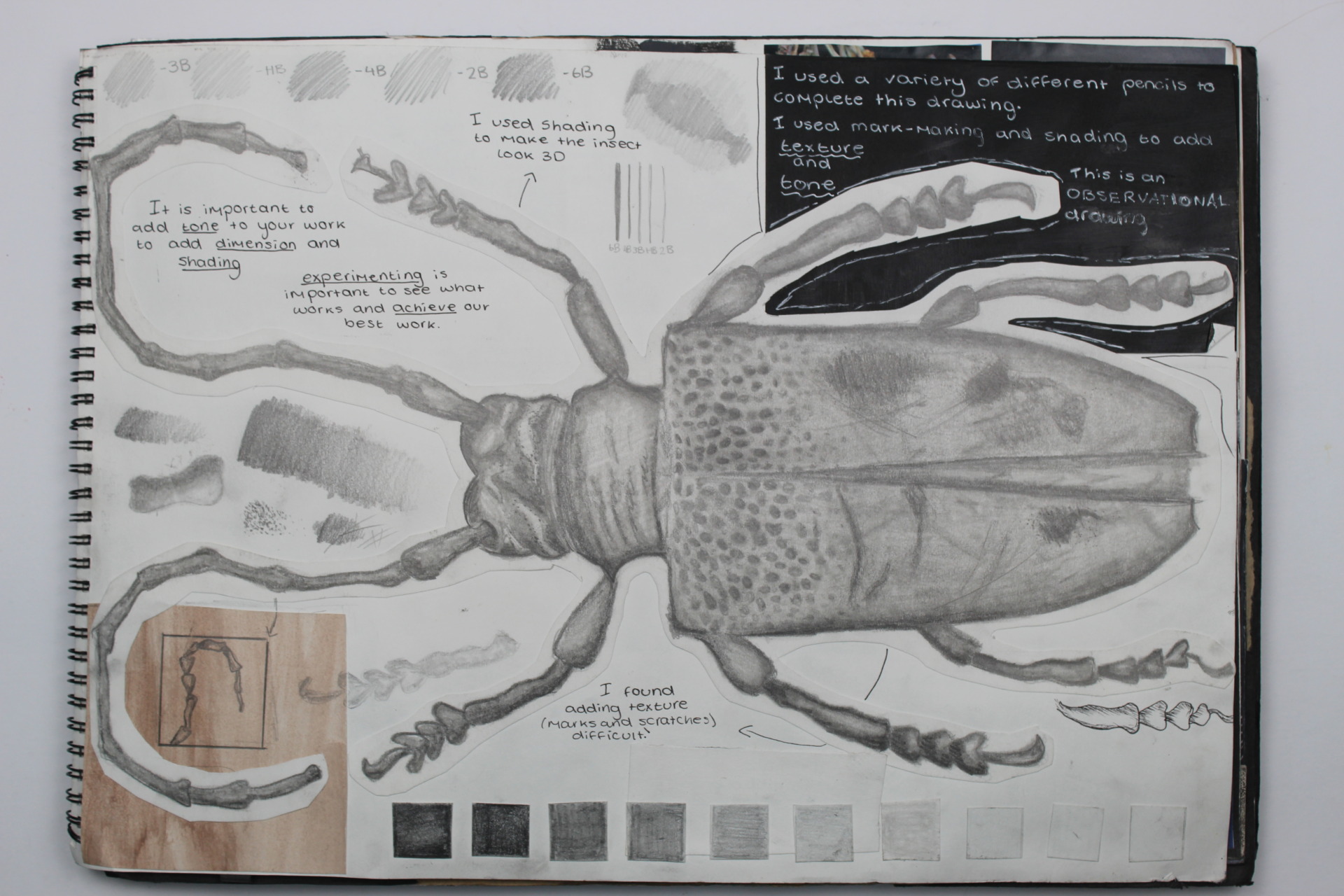
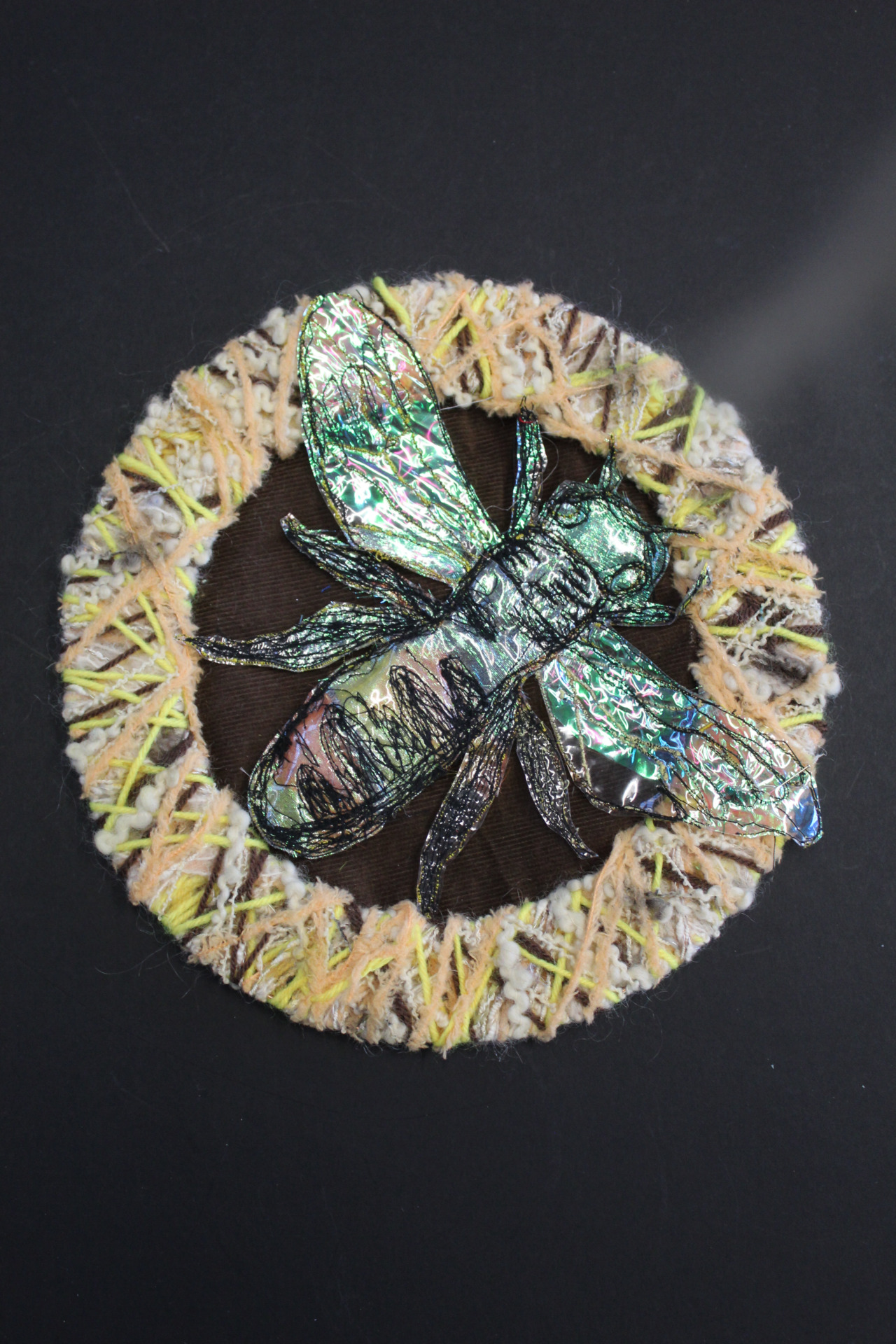
This Year 7 Art Textiles project explores bugs through creative textile techniques. Students will use real insects as their primary source, developing observational drawing skills, and then explore mono printing and watercolour painting, inspired by the work of Levon Biss. They will experiment with hand embroidery, heat press printing, and machine sewing (including sewing a zip), creating a final textile product, followed by evaluation.
Year 8
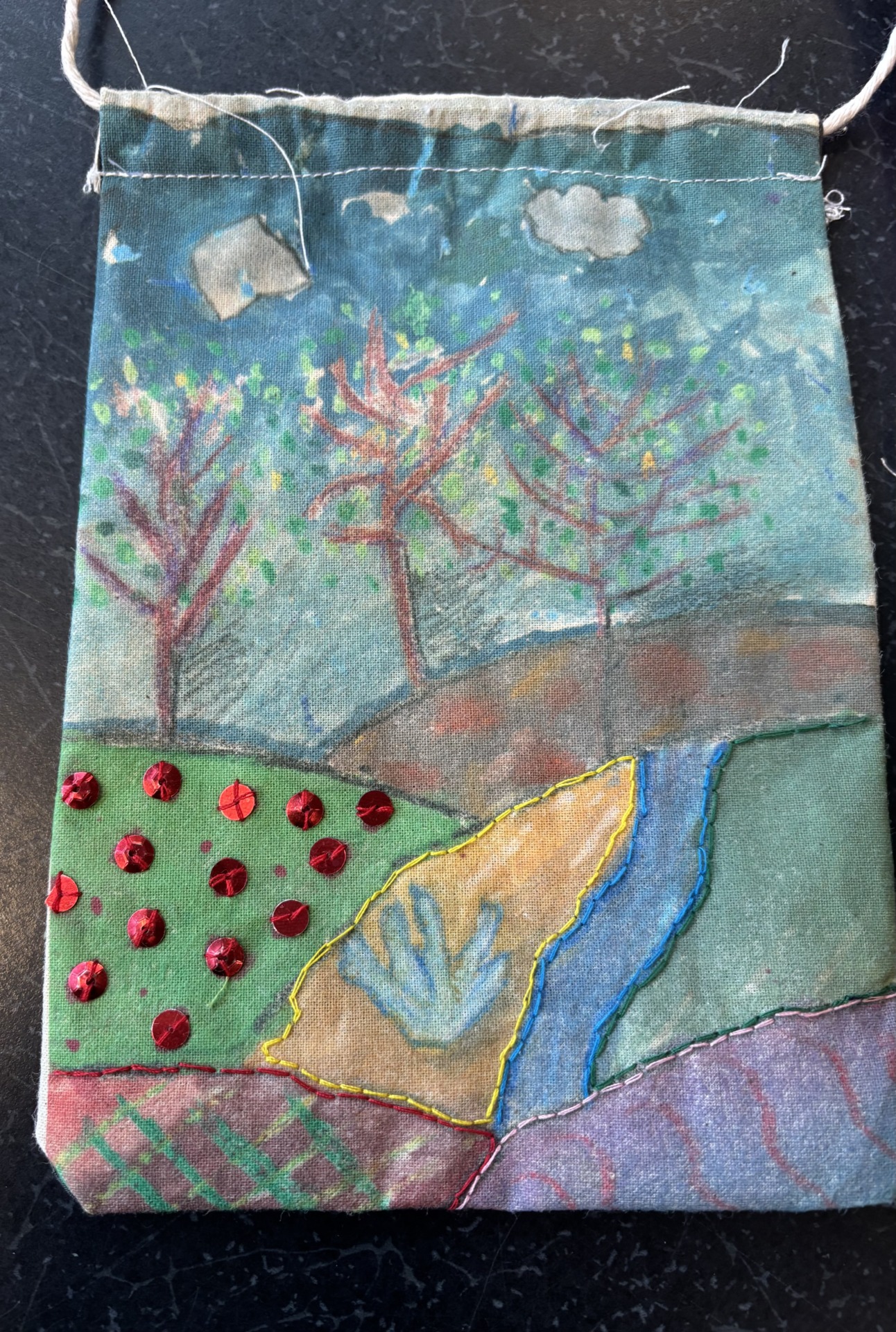
This Year 8 Art Textiles project focuses on the formal elements of Art and Design, including line, shape, texture, pattern, colour, and space. Students will explore the work of David Hockney, drawing inspiration from his vibrant paintings and digital artwork to develop their understanding of key artistic terminology, techniques, and processes.
Inspired by Hockney’s distinctive approach to landscape, students will experiment with colour, composition, pattern, and mark-making to create their own individual landscape designs. They will also be introduced to a range of textile embellishment techniques, developing their practical skills and creativity as they transform their designs into a unique textile artwork.
The project encourages students to combine drawing, design, and textile techniques to produce a final outcome that demonstrates both their understanding of Hockney’s work and their own personal artistic style.
Year 9
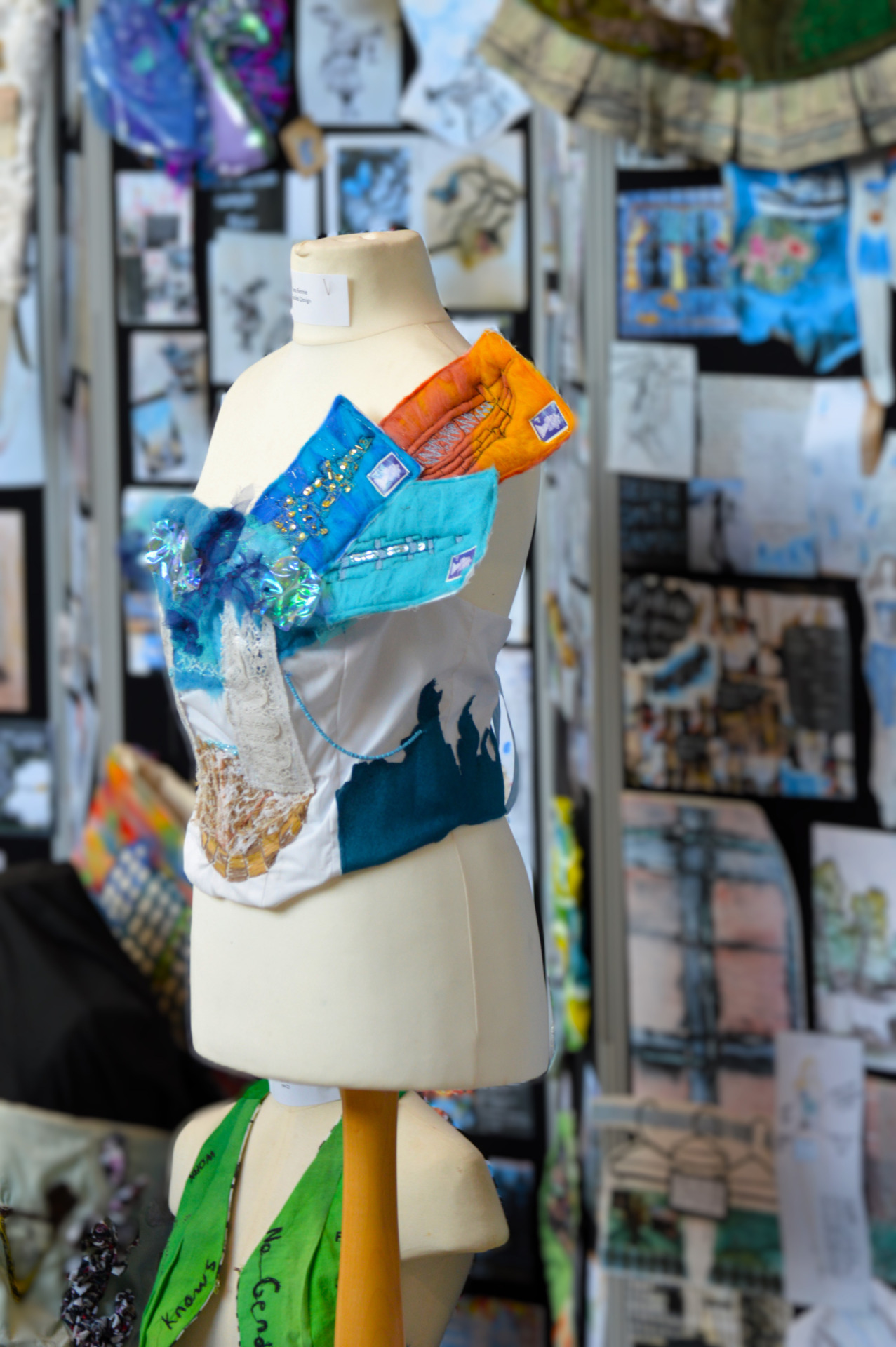
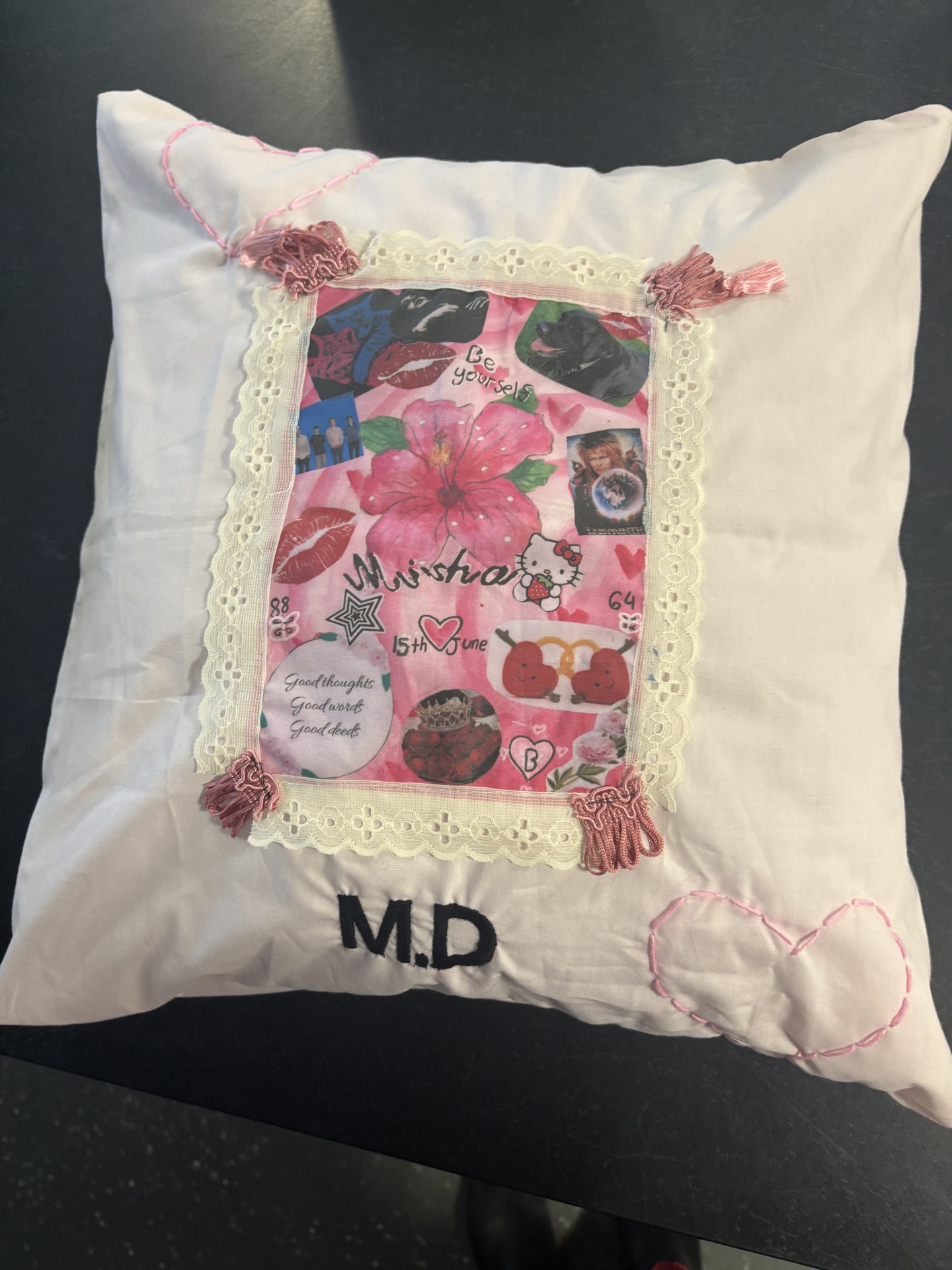
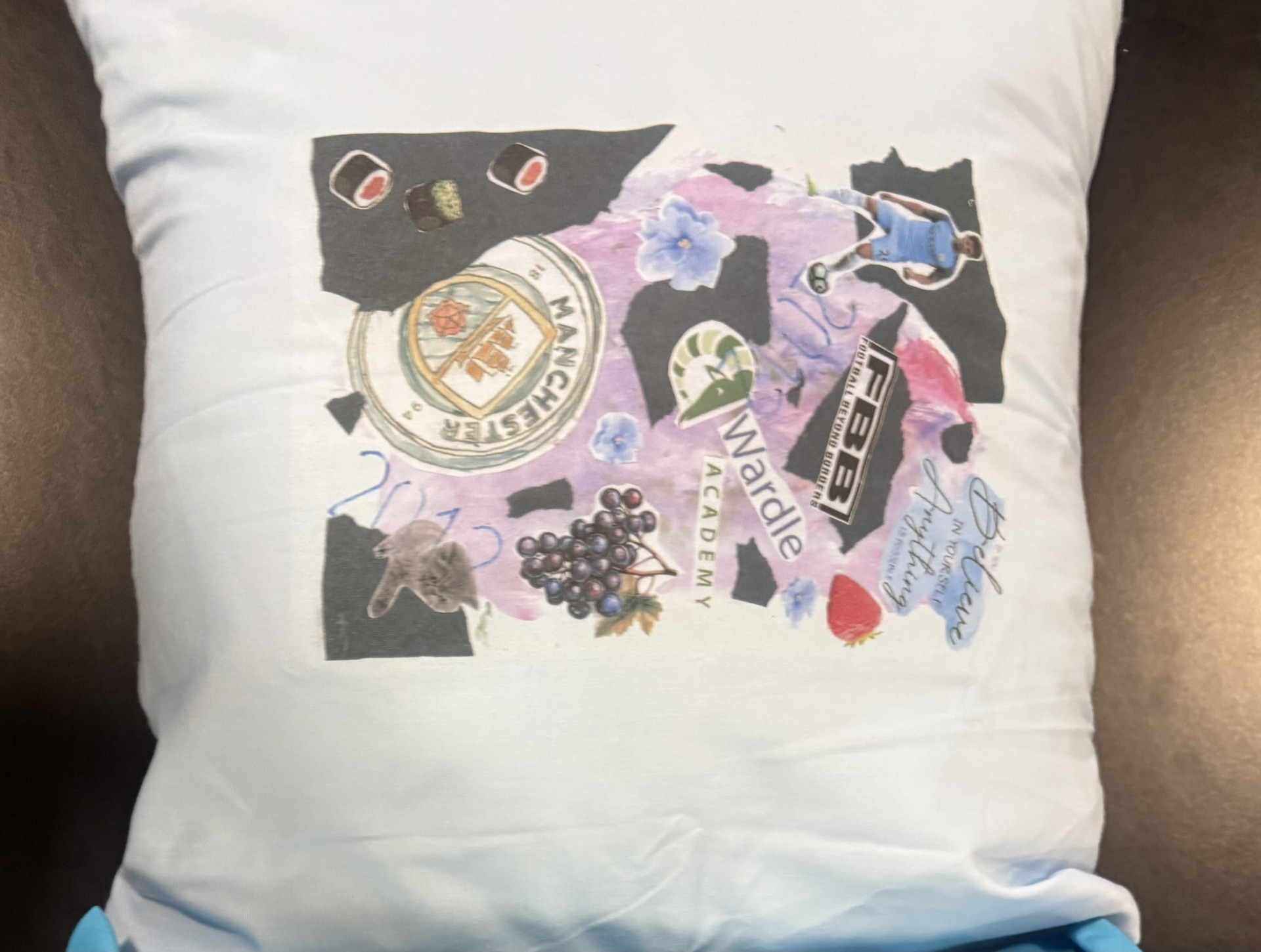
This Year 9 Art Textiles project focuses on identity through creative textile techniques. Students will explore their personal interests, idols, and inspirational quotes to inform their designs and create a textile outcome that reflects their individual identity. They will draw inspiration from various artists and apply sewing techniques learned in previous years, such as stem stitch and chain stitch, to develop more intricate and detailed designs. The project will also encourage students to experiment with embellishments, monoprints, and collage prints, providing them with a broad range of techniques to express their personal stories and ideas.
AQA – GCSE Art and Design: Fine Art, Photography & Textile Design KS4
KS4 – Year 10: ‘I Plan’
In Year 10, students focus on Component 1: Portfolio, which is worth 60% of the final GCSE grade. Students complete a sustained project and a selection of supporting work based on teacher-led themes. They develop their understanding of the four AQA Assessment Objectives, building a diverse portfolio through research, experimentation, development and refinement. Students are encouraged to develop independent working practices and create personal and meaningful responses. All classwork and homework contributes towards the GCSE portfolio. Students will also complete a mock externally set assignment to prepare for the Year 11 examination.
KS4 – Year 11: ‘I Decide’
In Year 11, students continue to develop and refine their Component 1 portfolio, responding to feedback and critically reviewing their work. They make informed decisions about how to develop, adapt and refine their ideas, ensuring their portfolio demonstrates clear progression and meets the AQA Assessment Objectives.
In January, students begin Component 2: Externally Set Assignment by selecting a topic from the exam paper provided by the exam board. Students develop an extended creative response, demonstrating their ability to draw together their knowledge, skills and understanding from their initial starting point through to the realisation of their intentions.
Students then complete 10 hours of supervised, unaided work to produce their final outcome. Component 2 is worth 40% of the final GCSE grade.
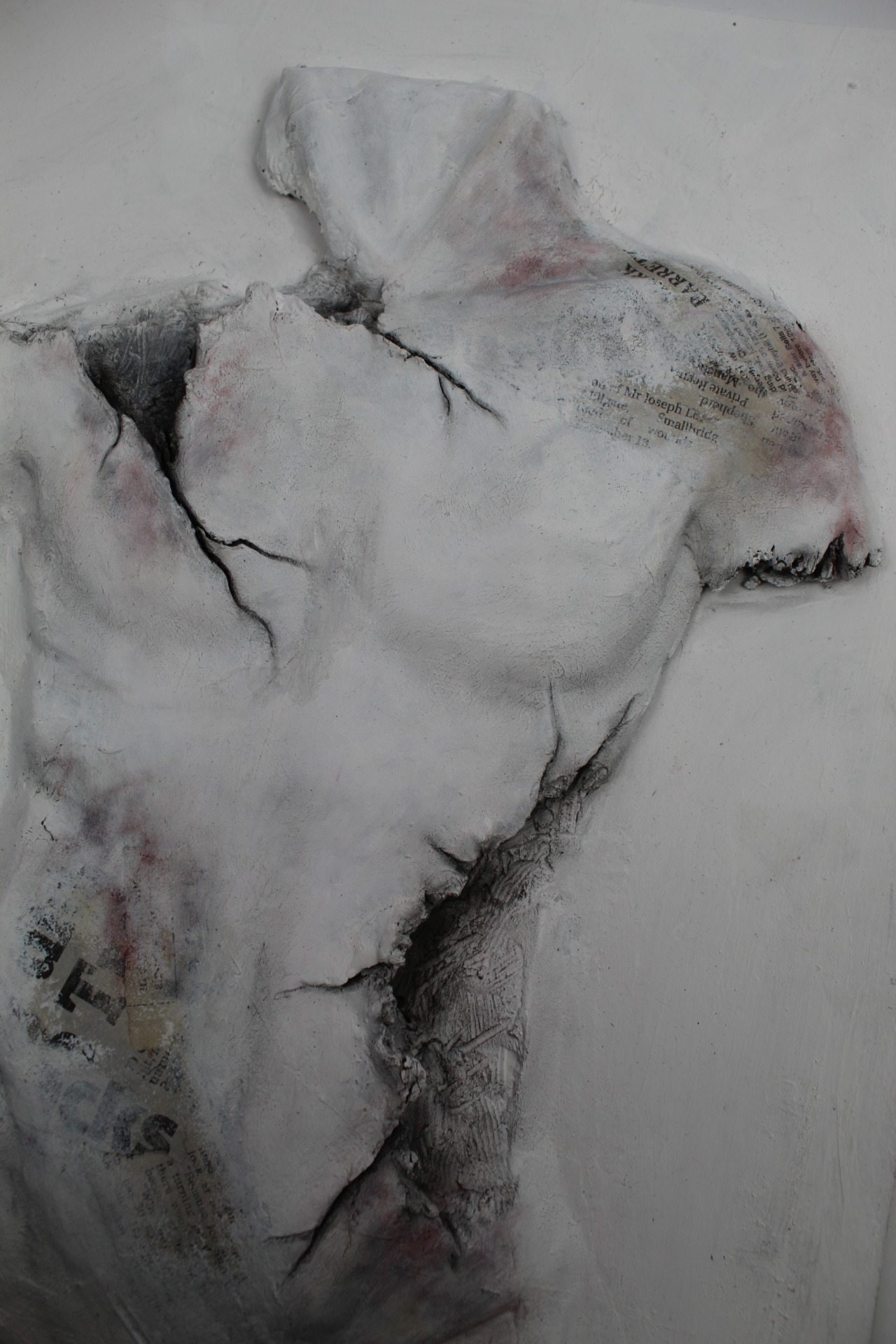
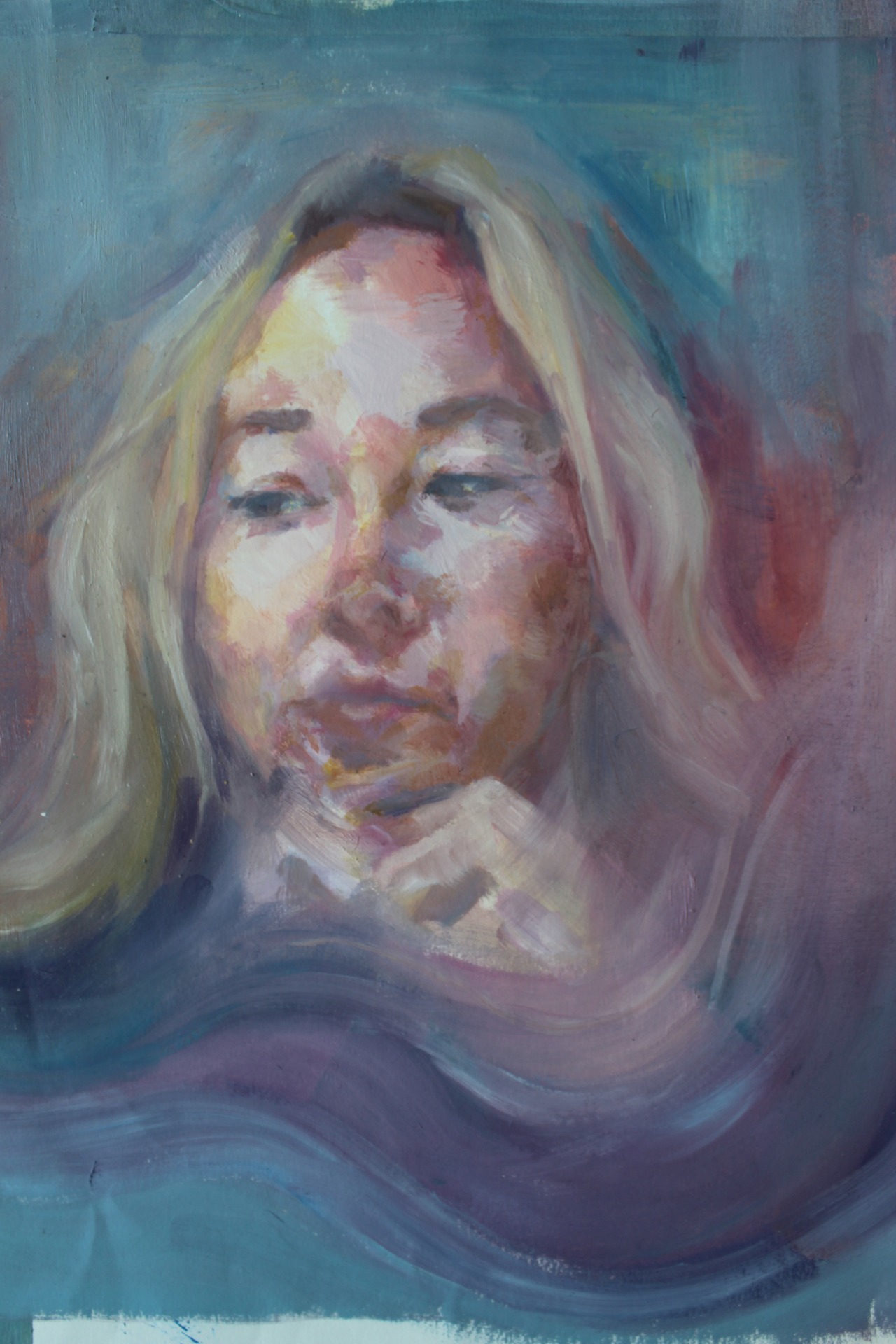
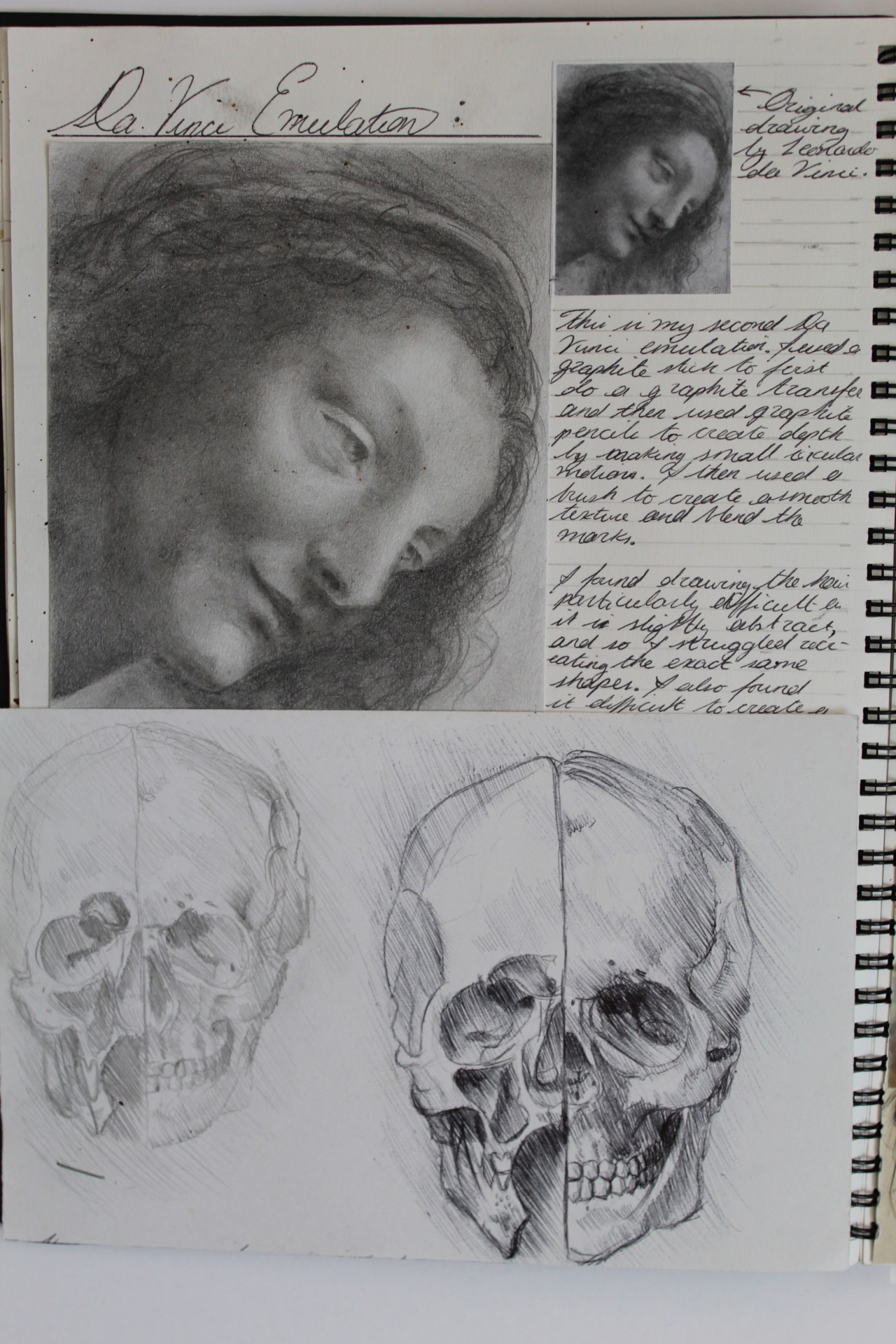
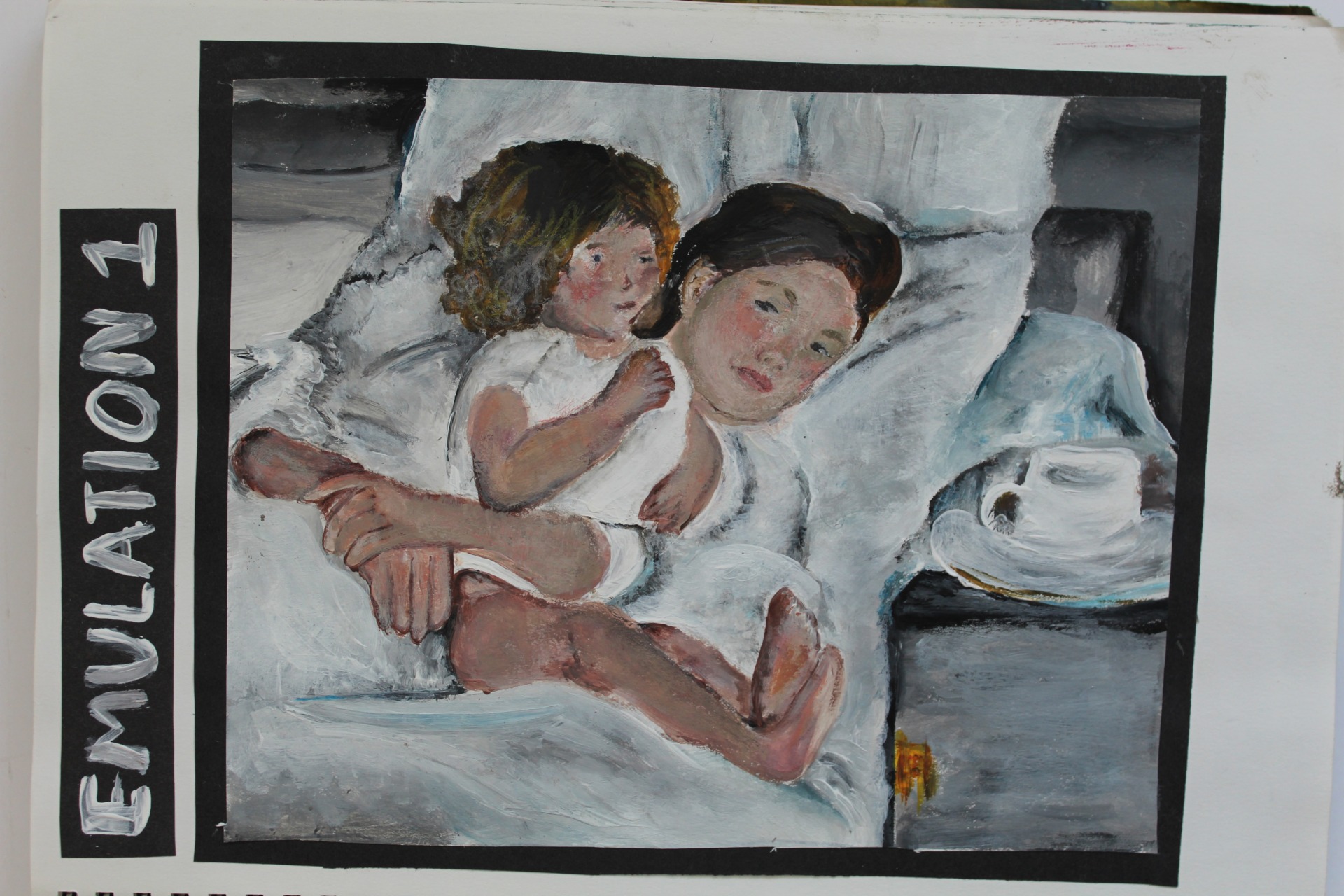
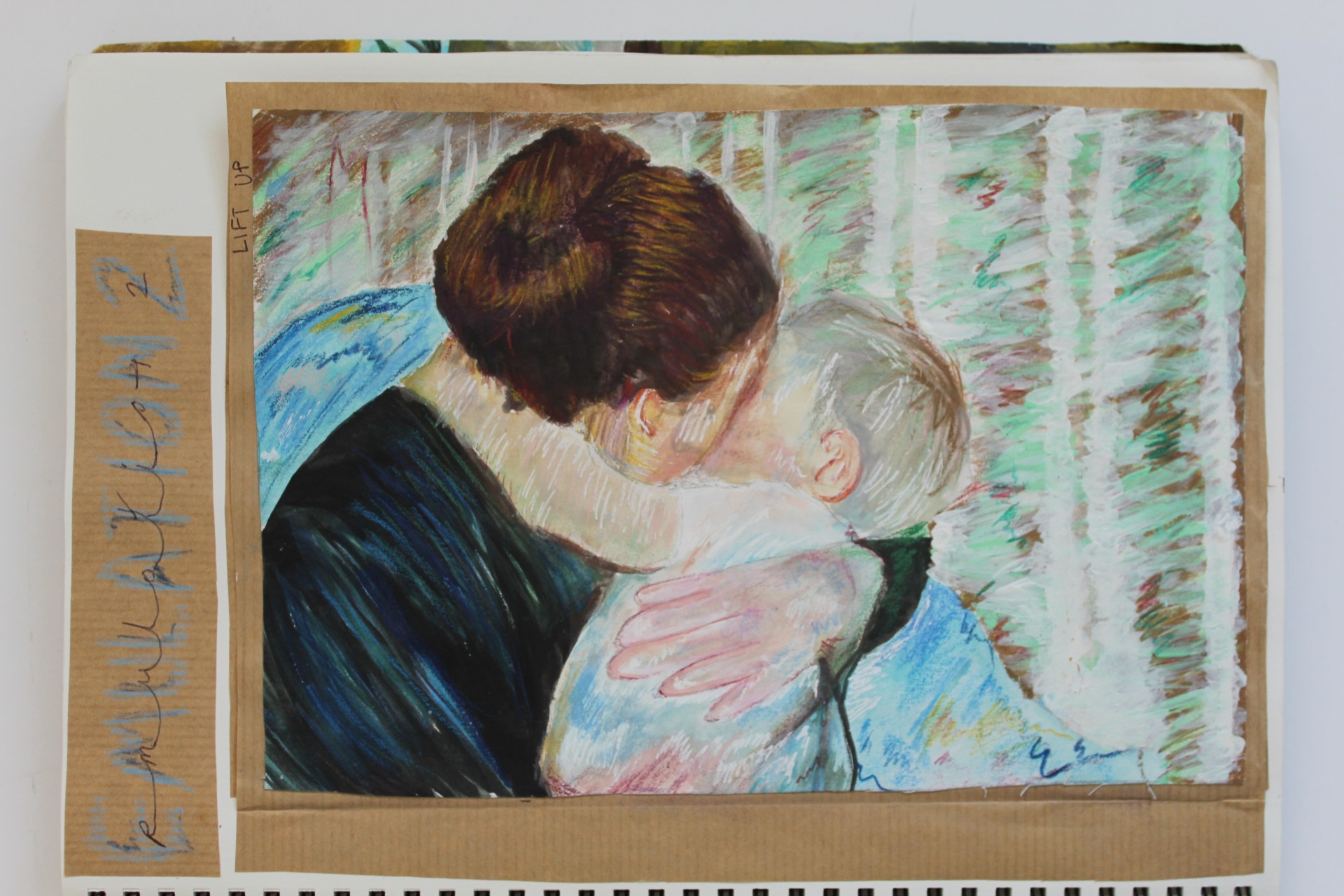
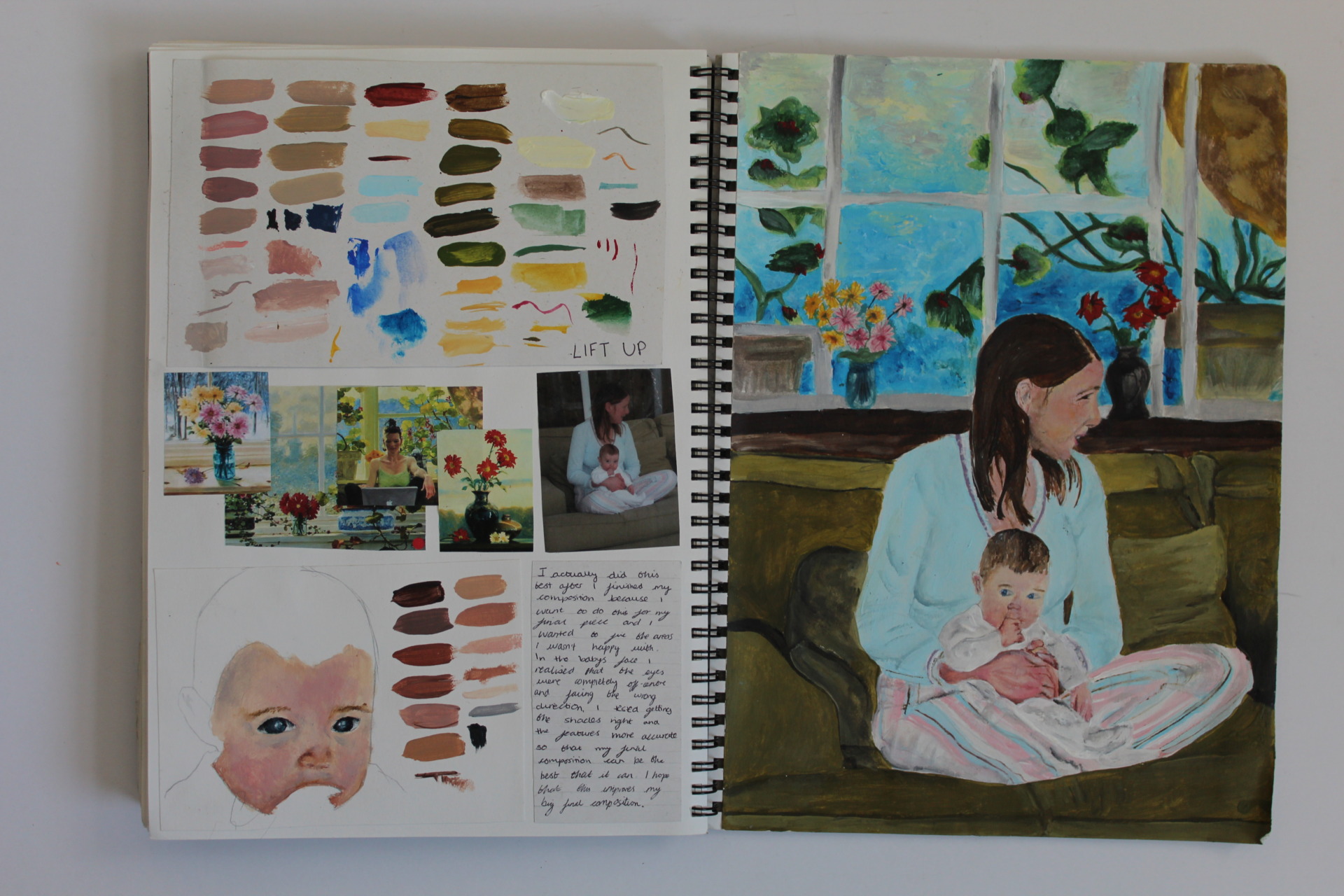
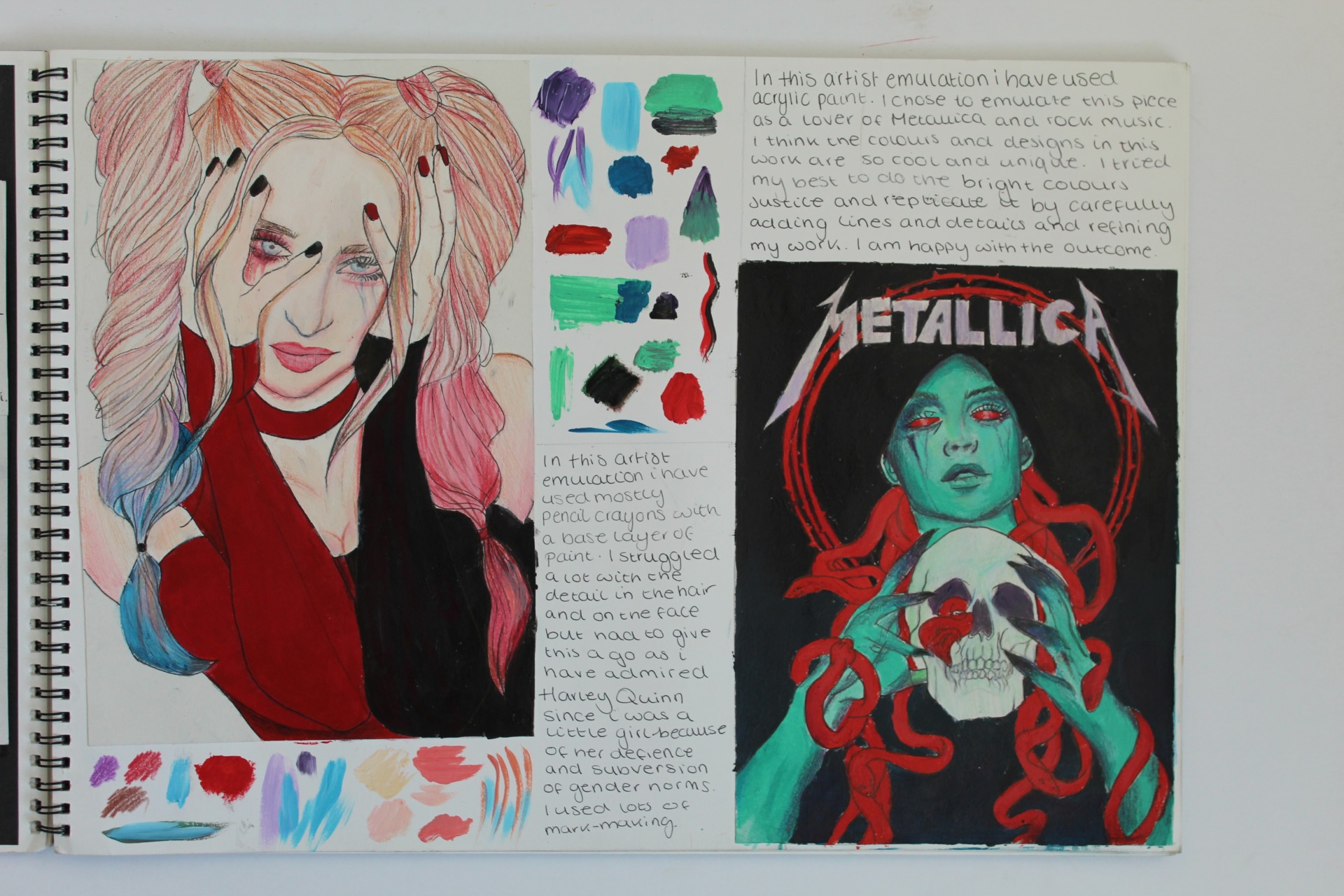
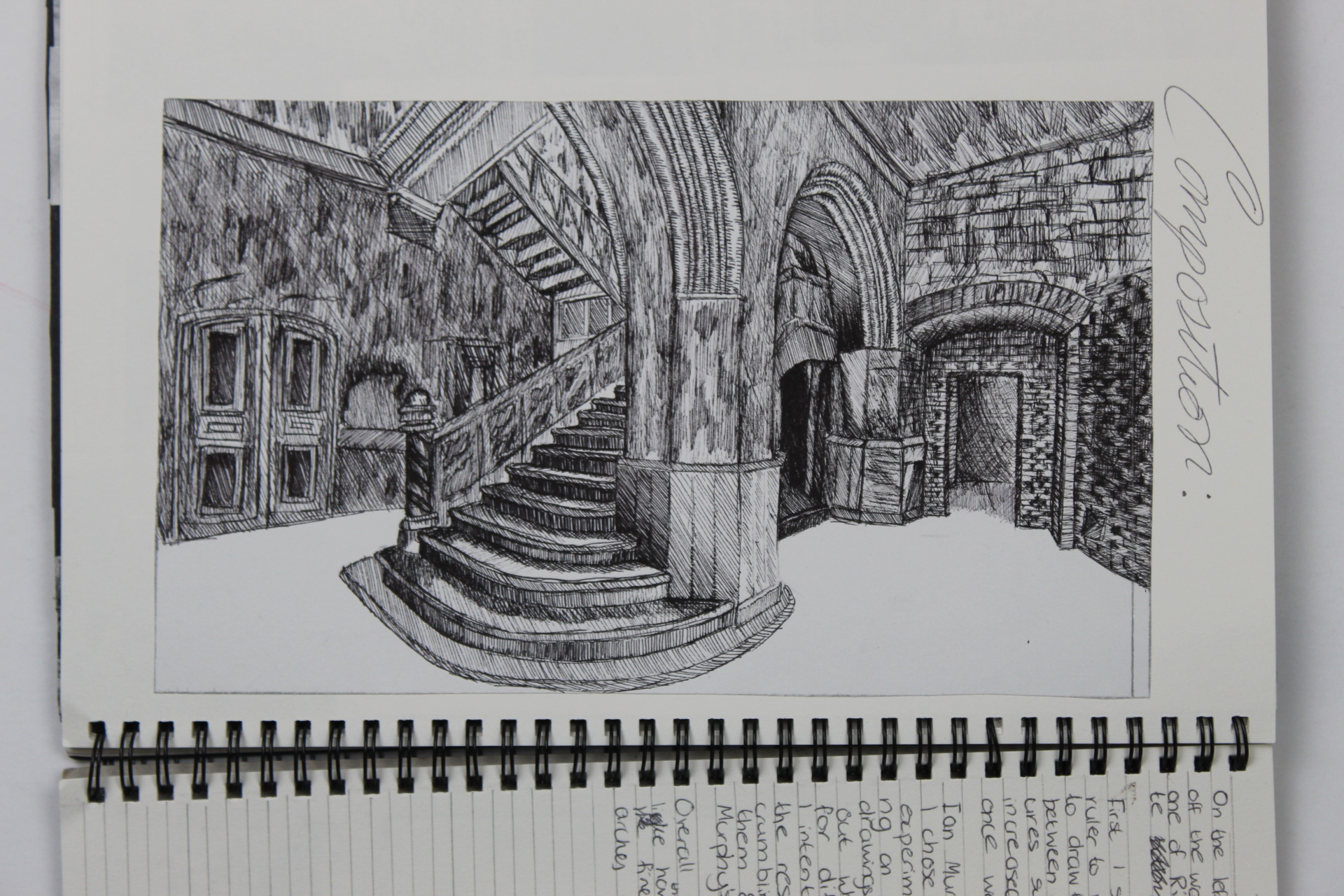
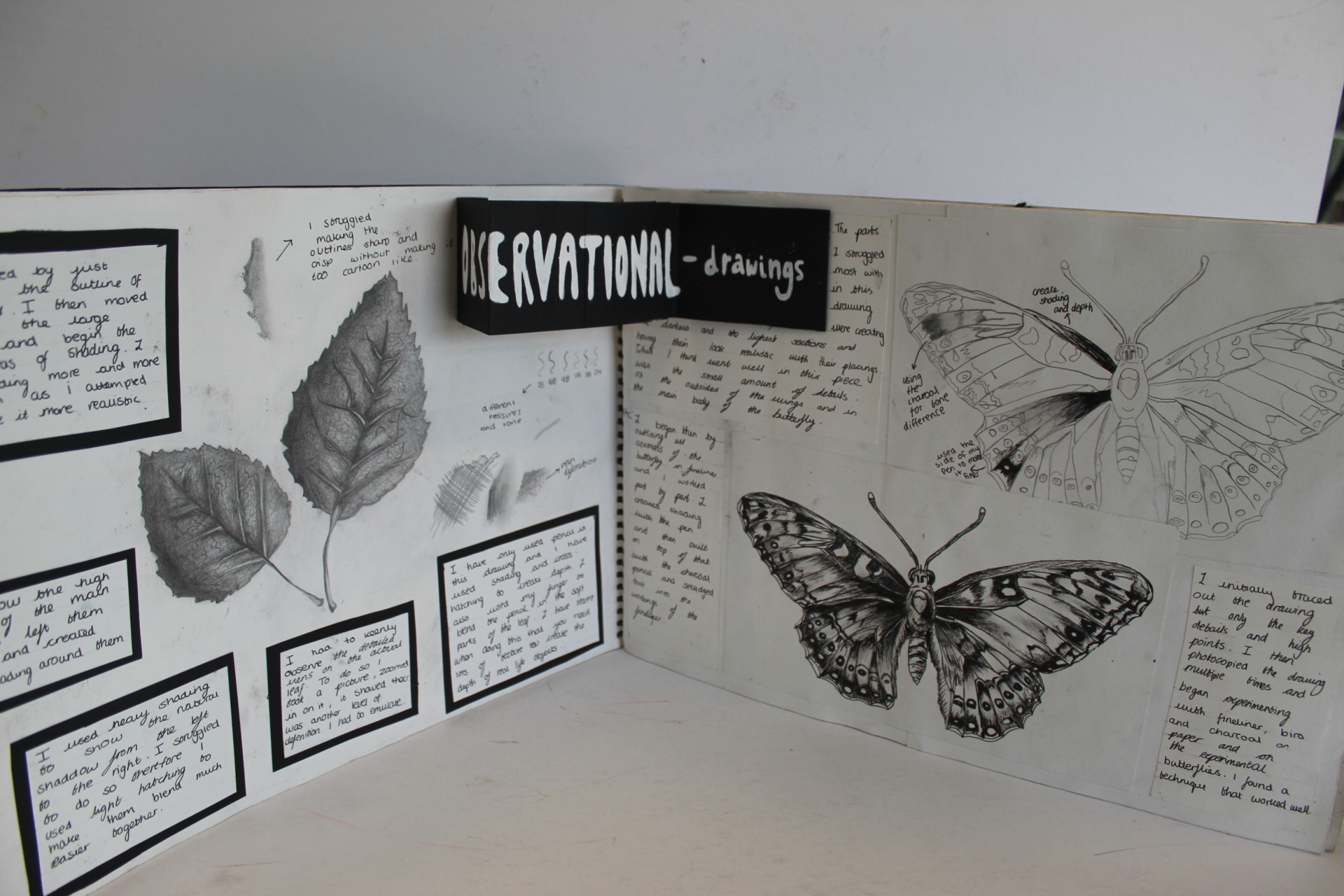
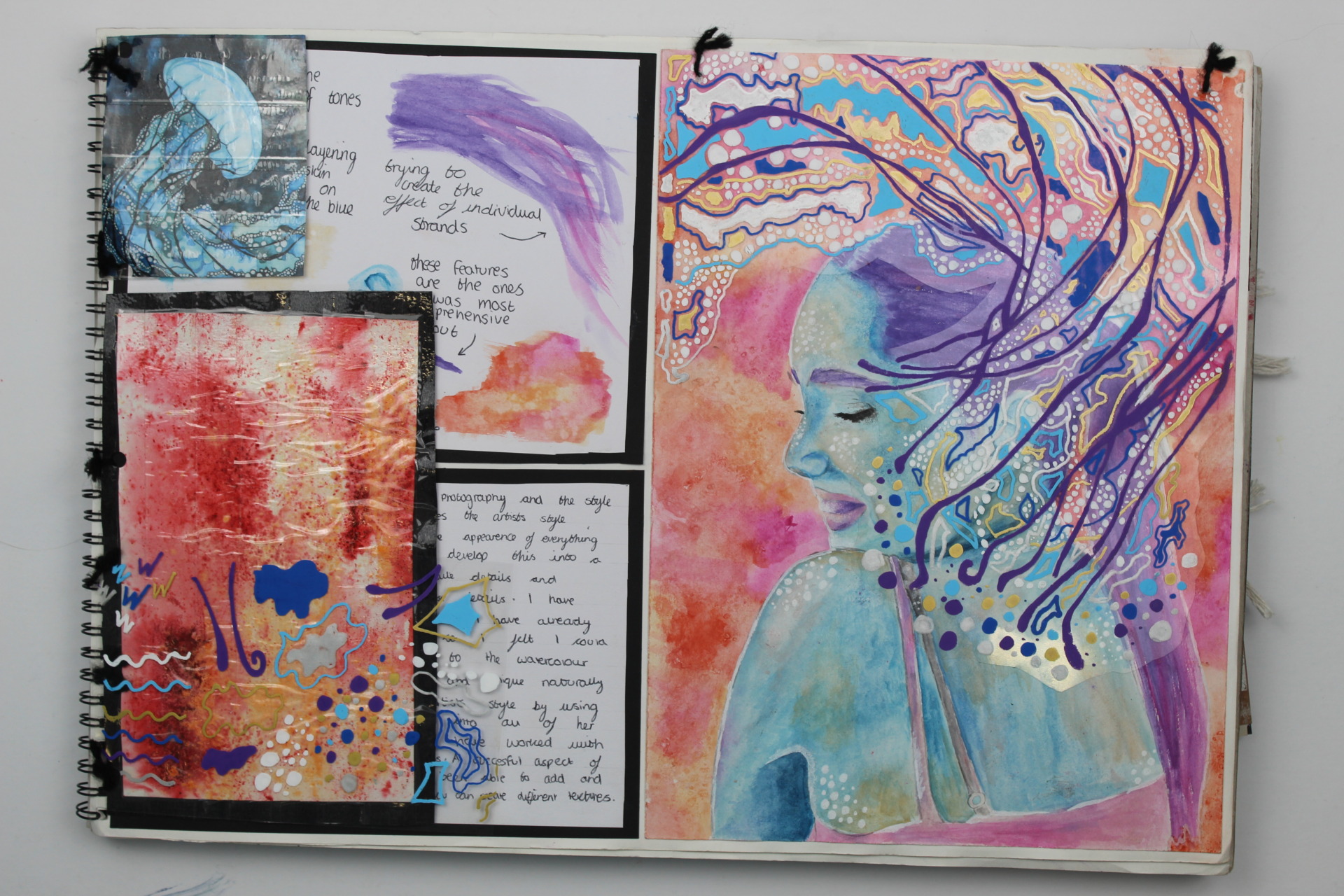
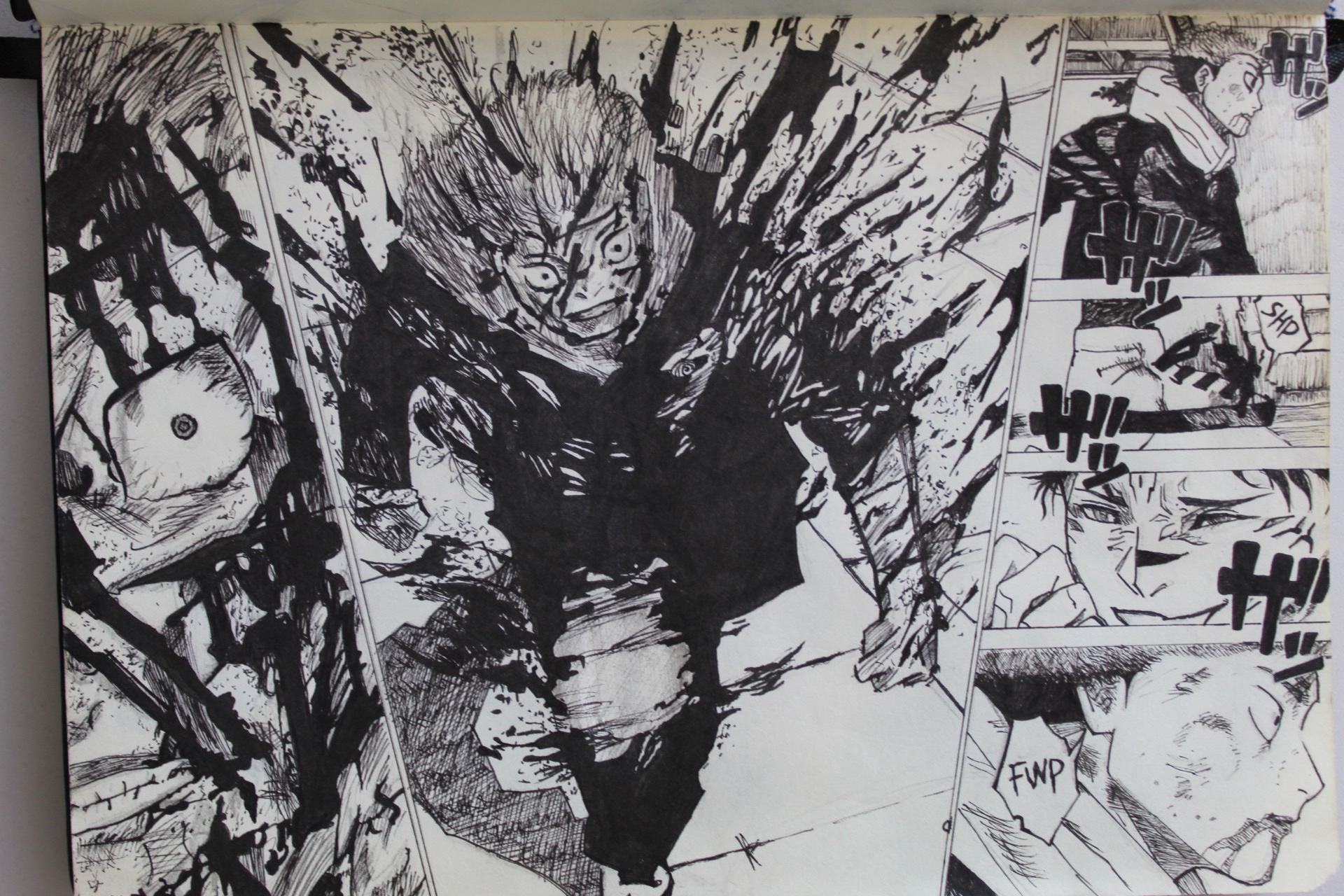
Art Gallery
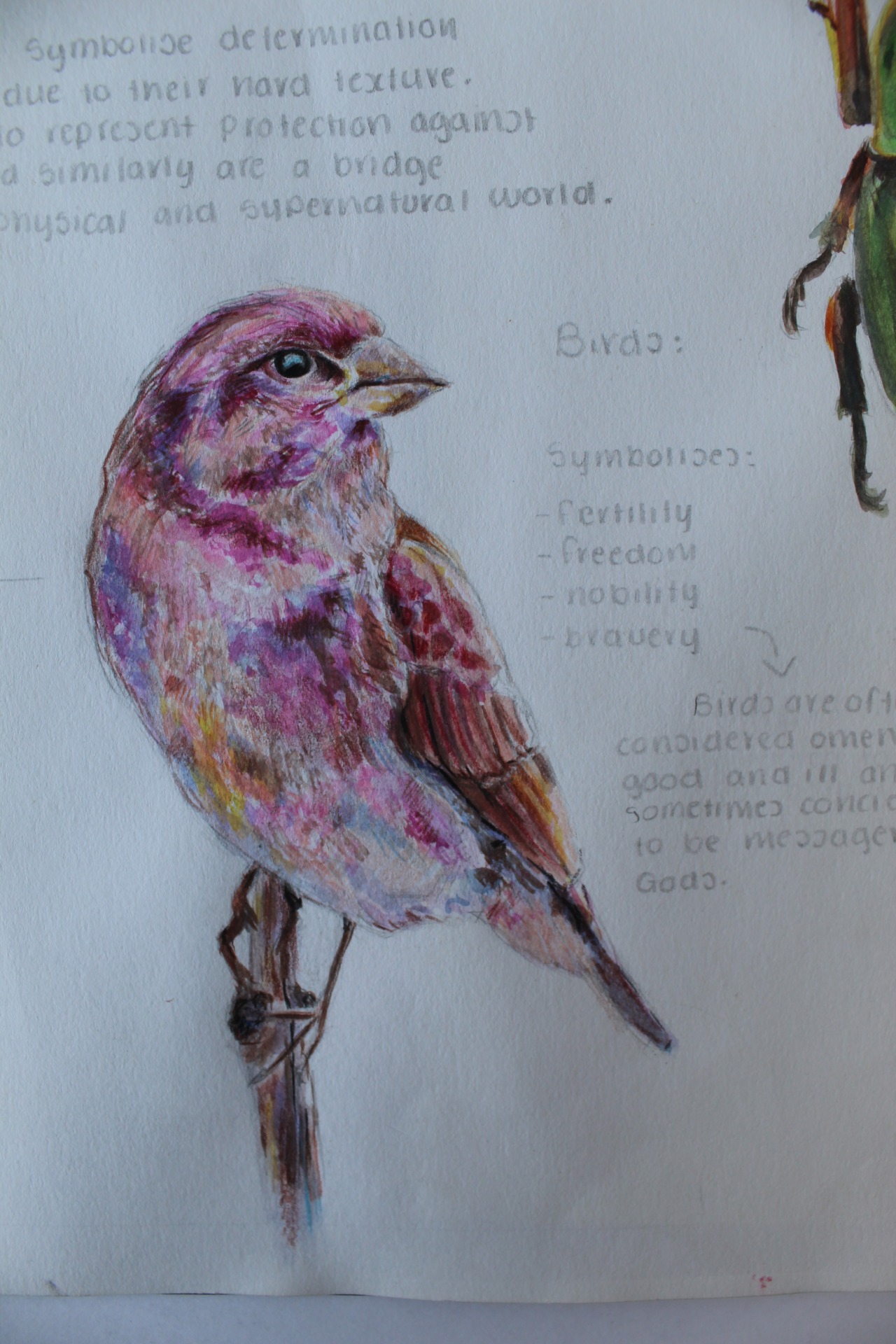
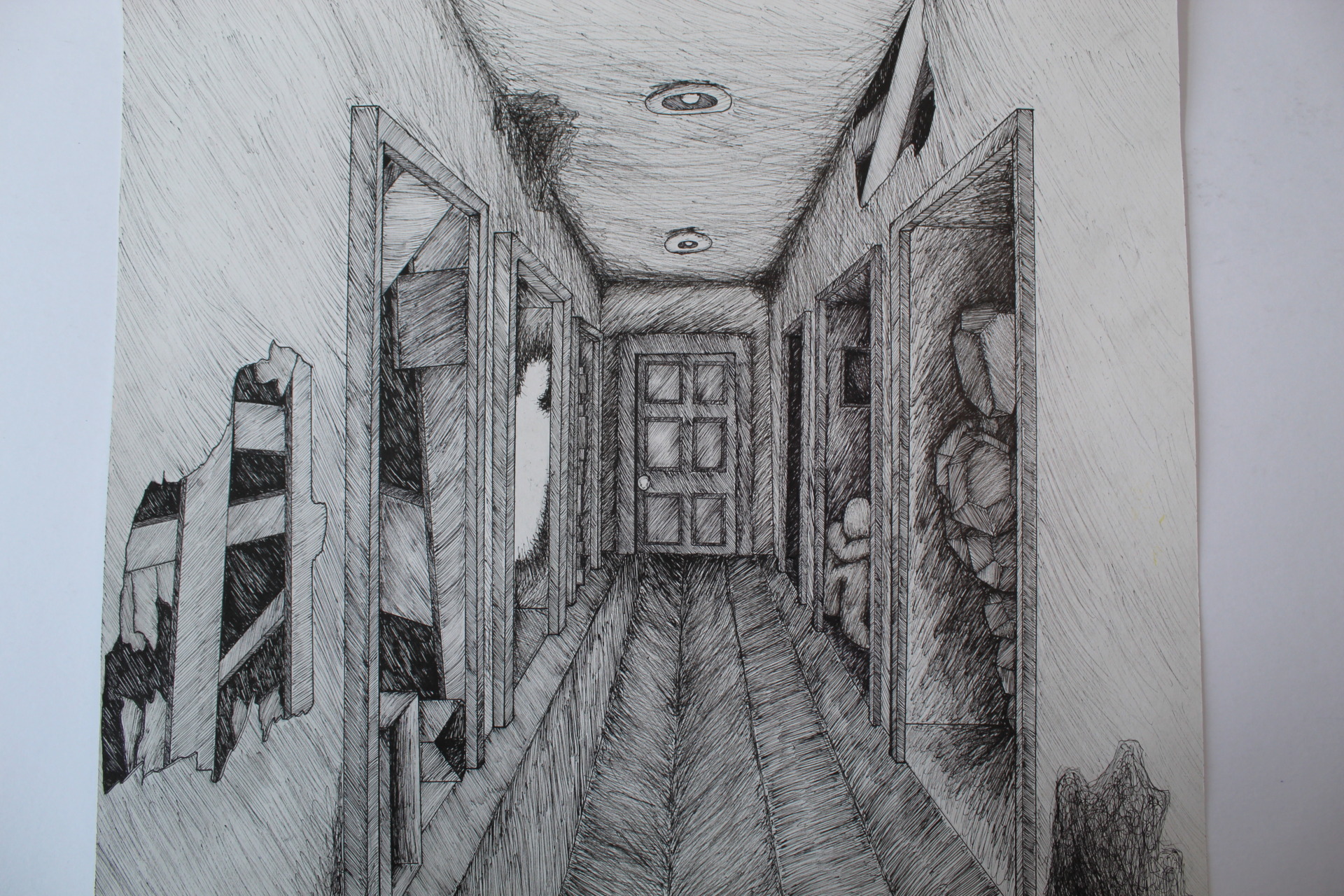


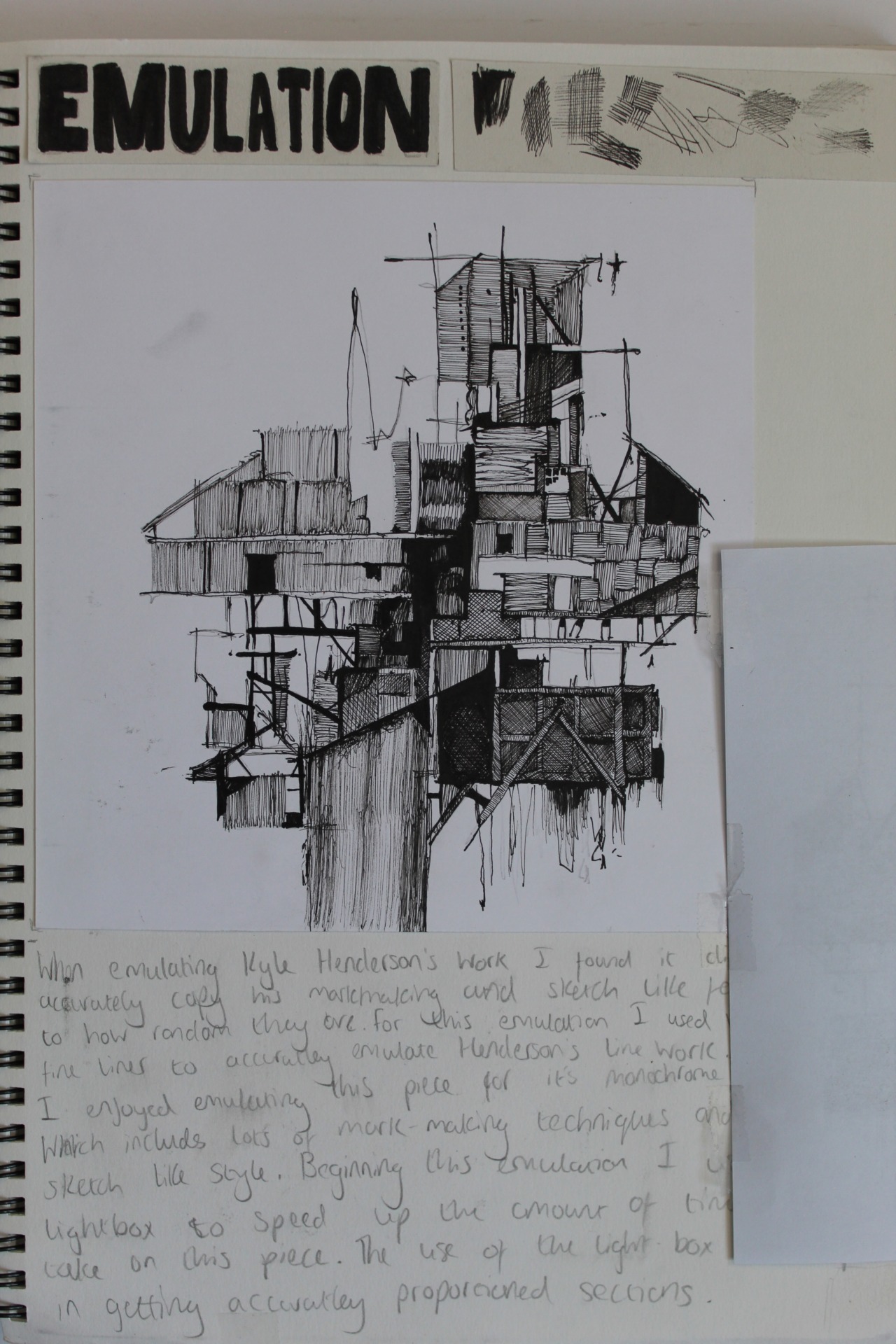
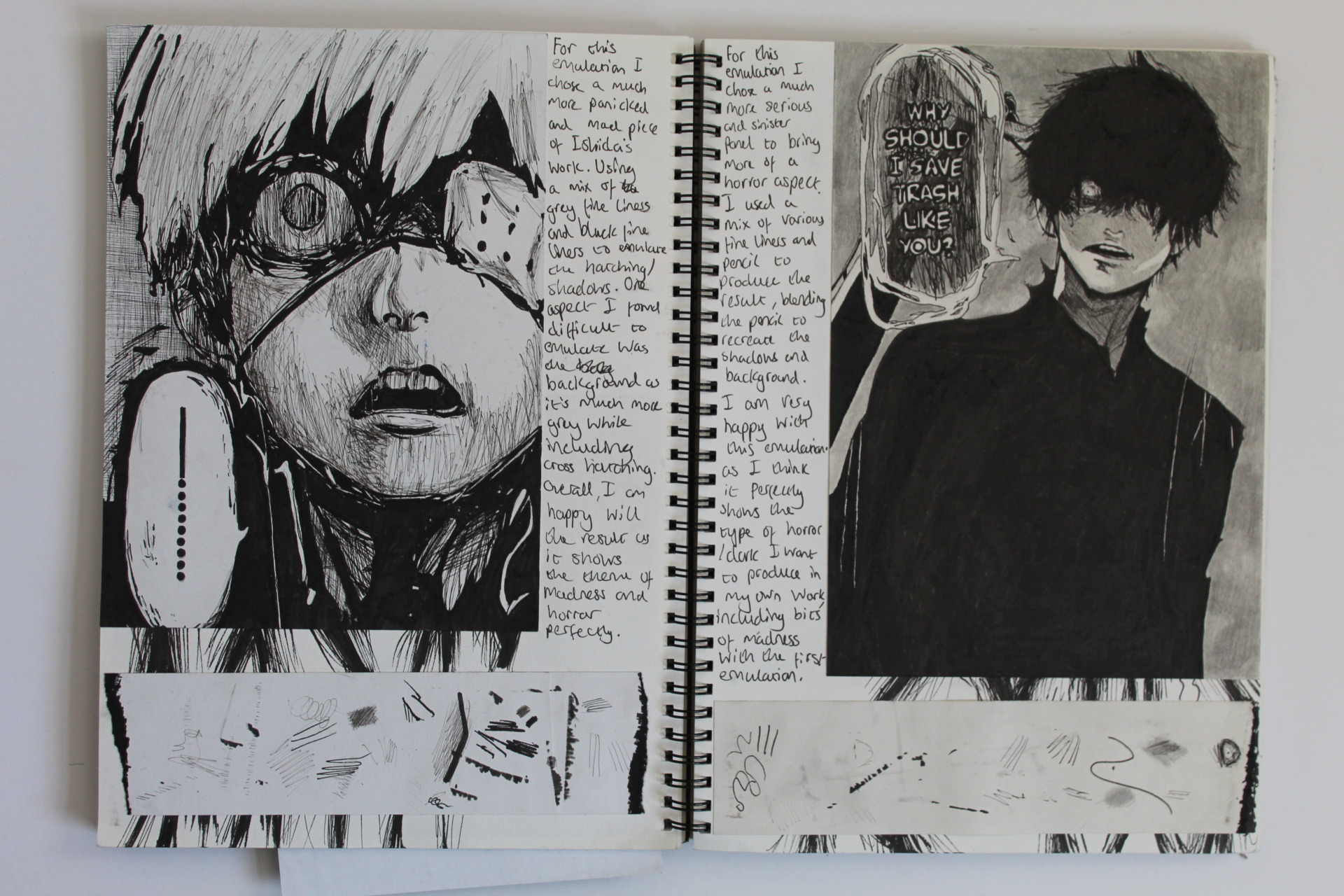
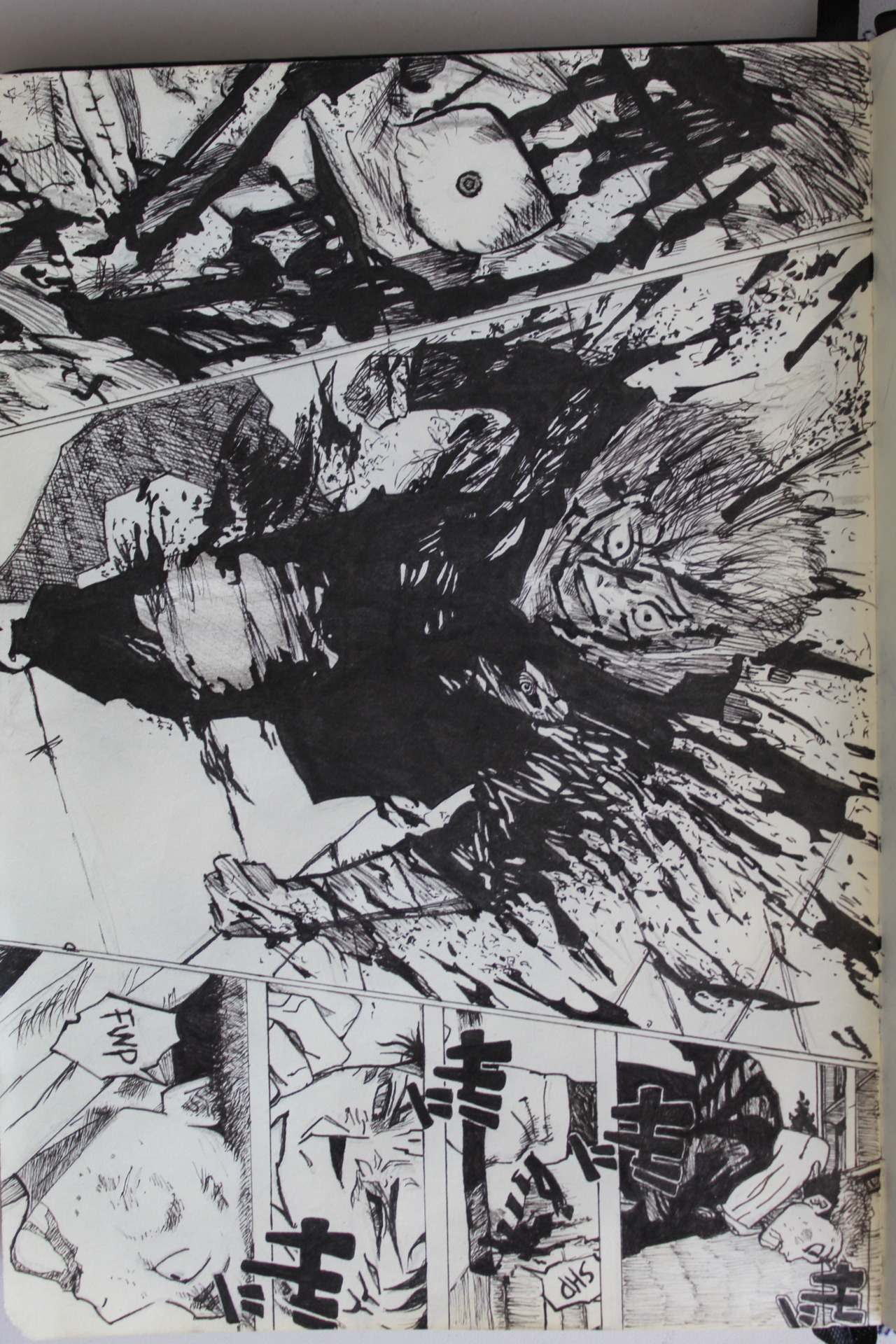
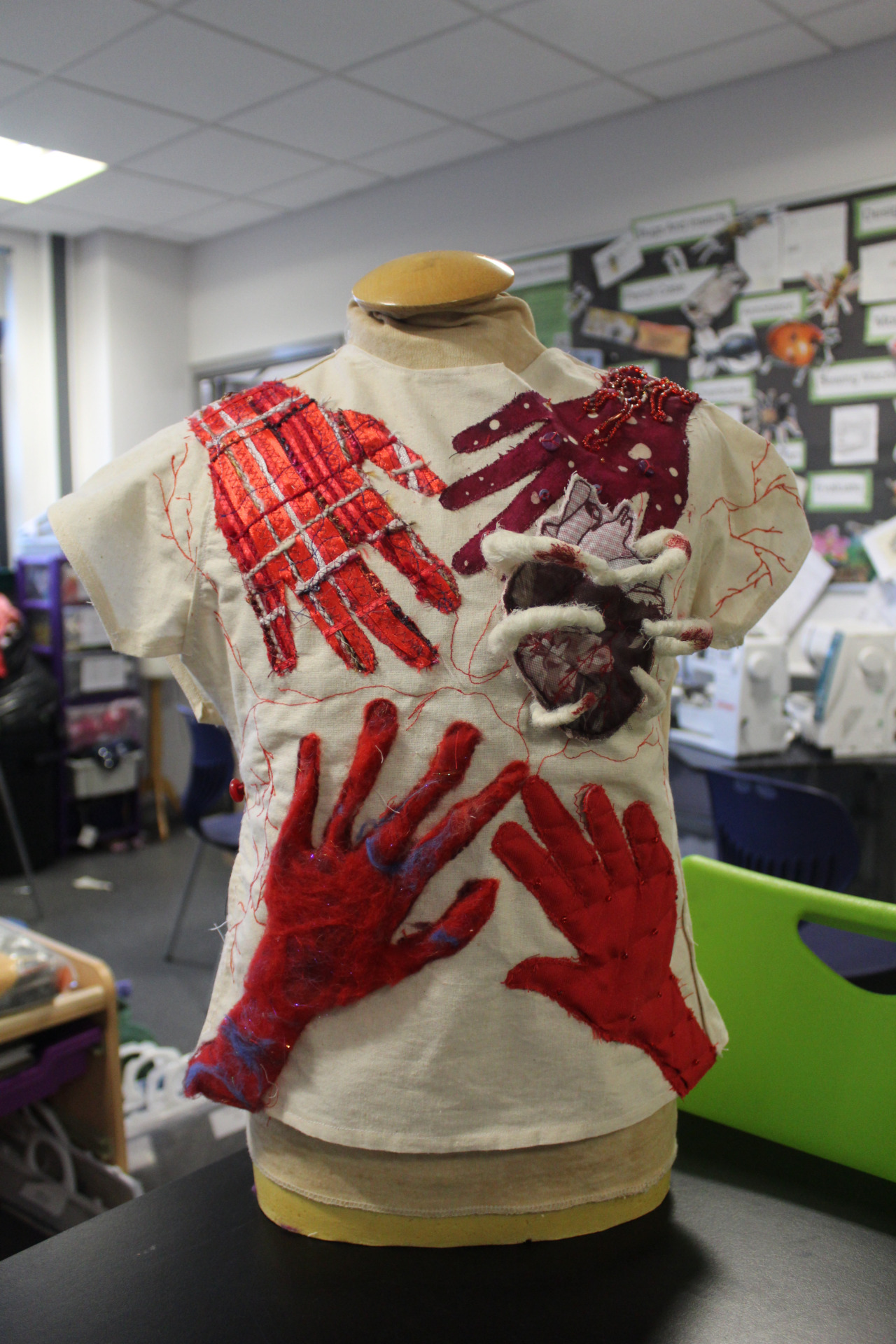
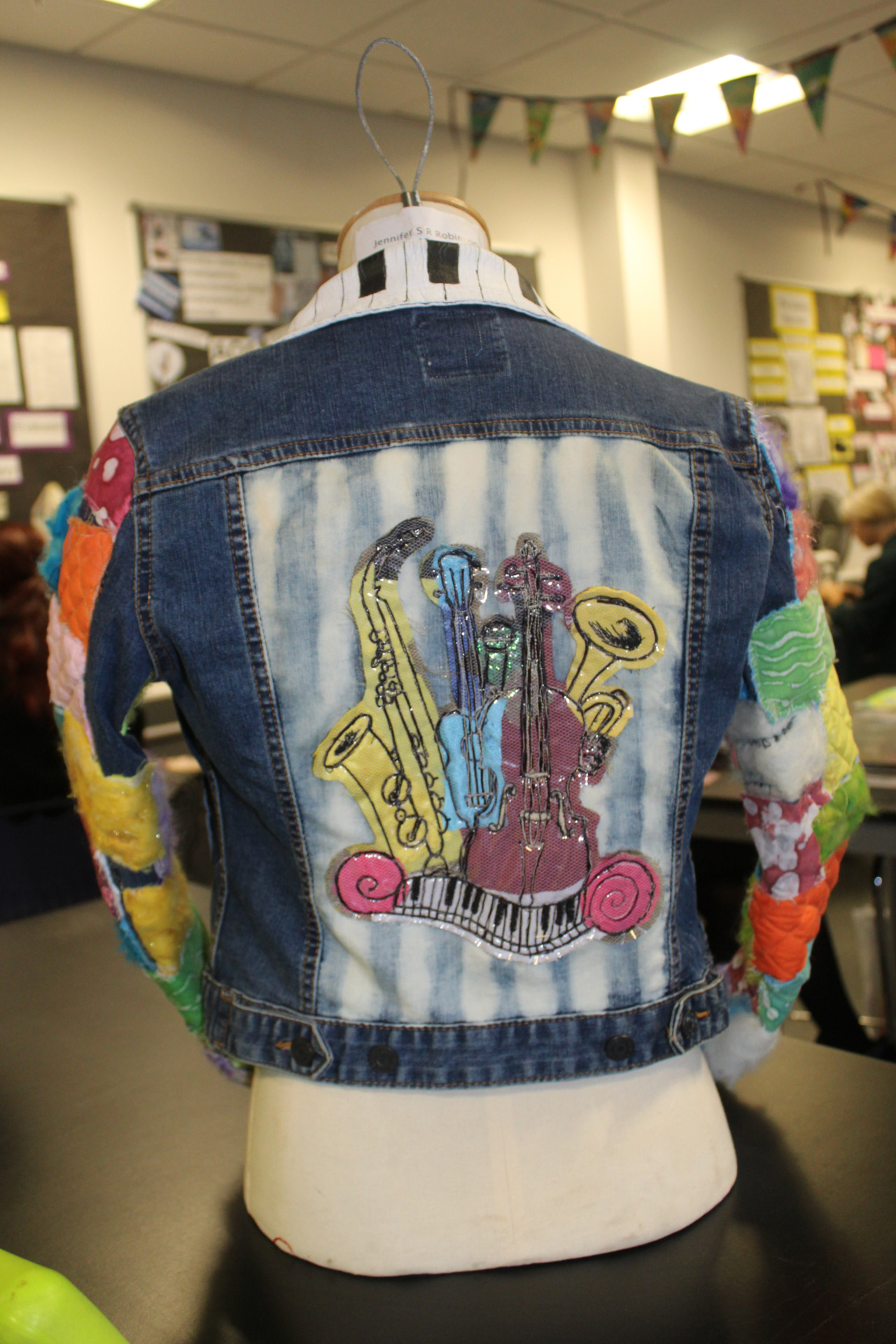
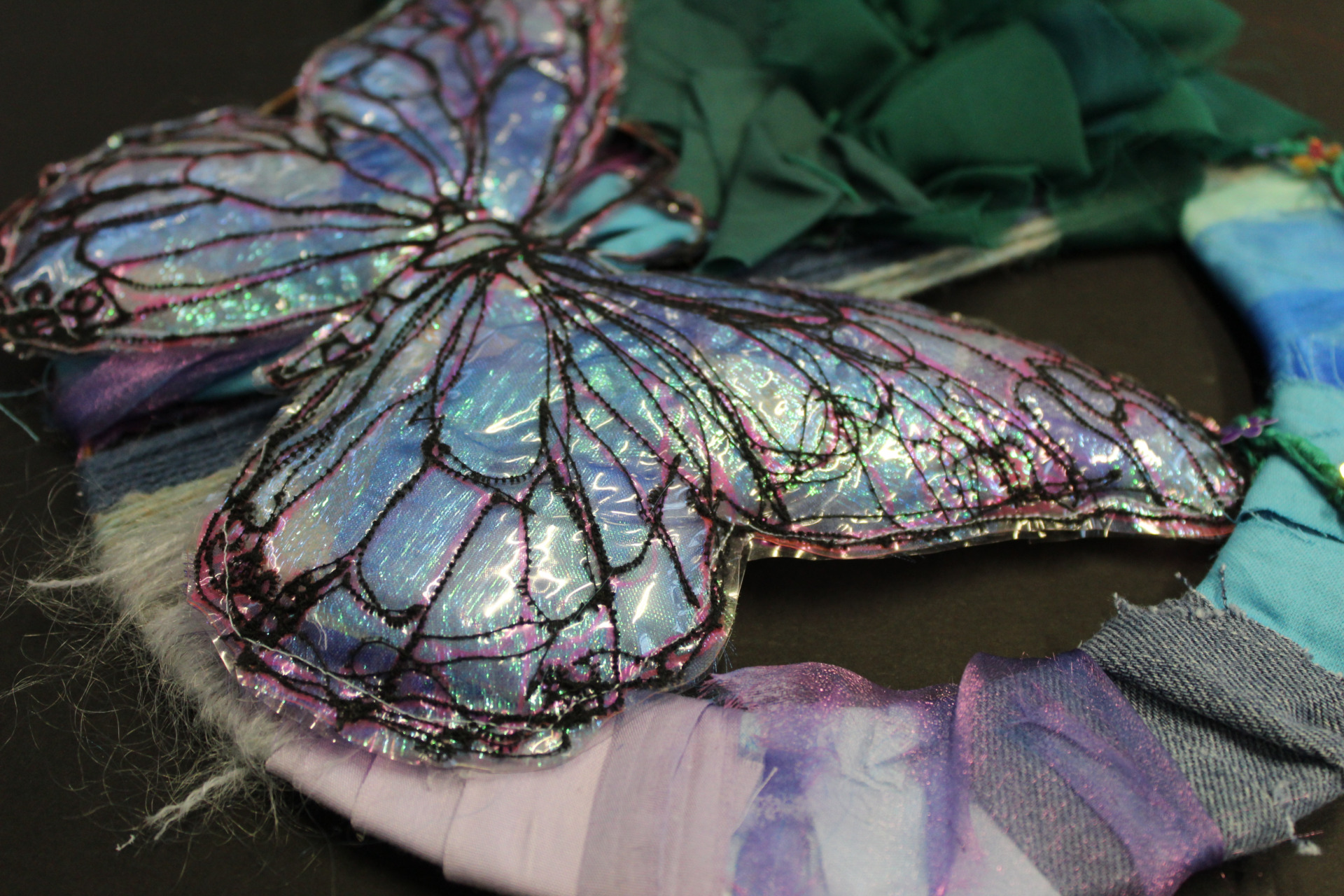
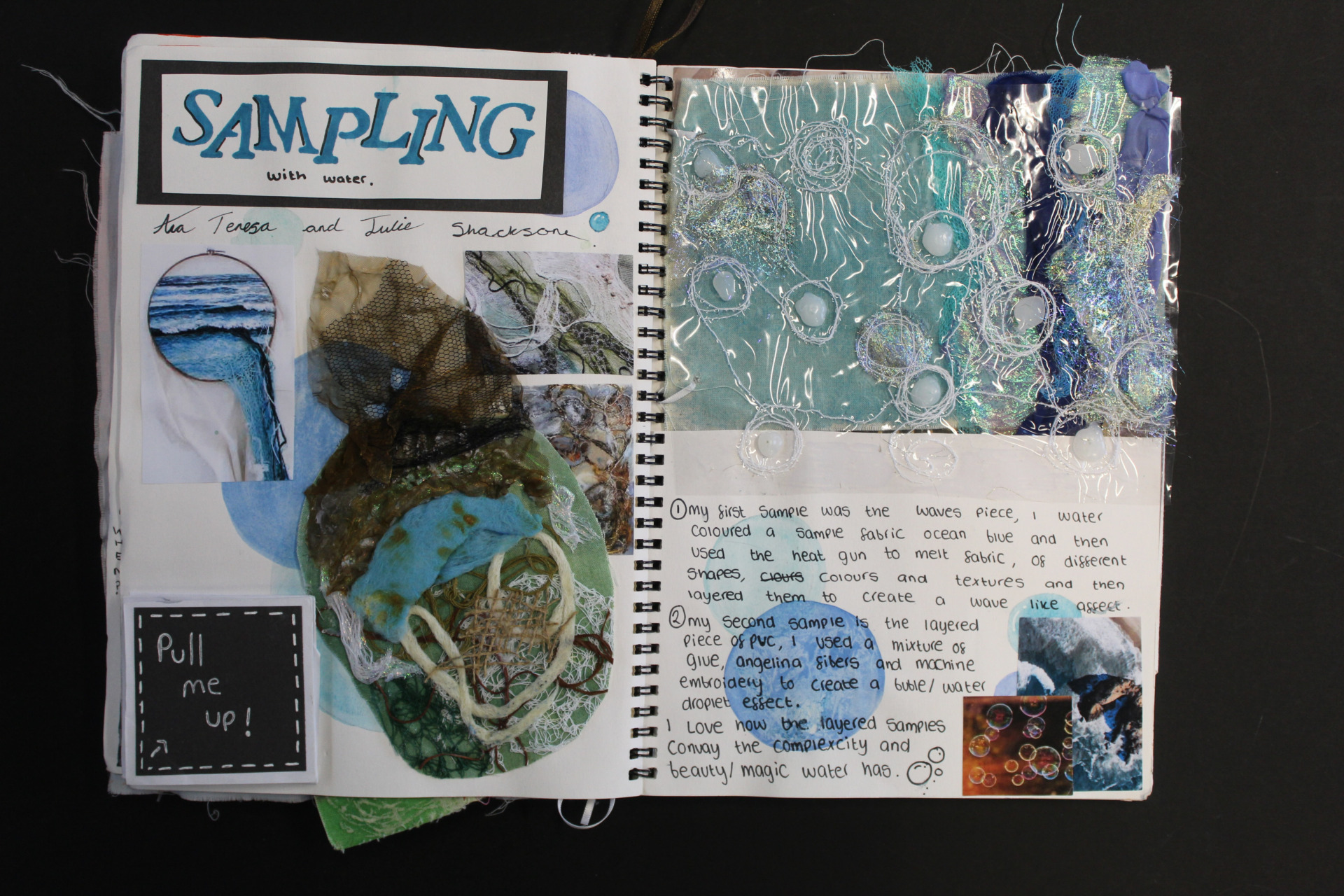
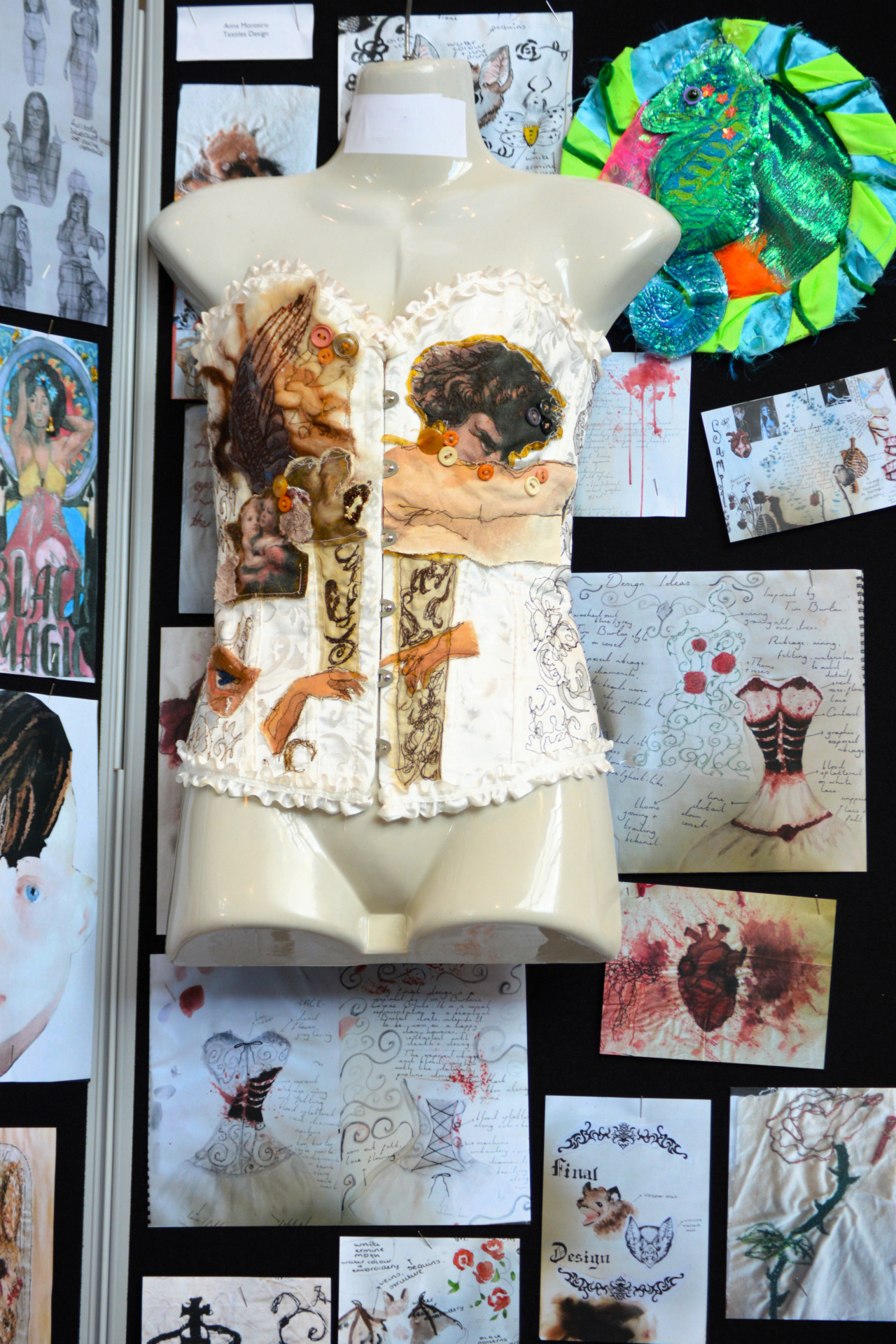
Art Textiles Gallery





Latest News